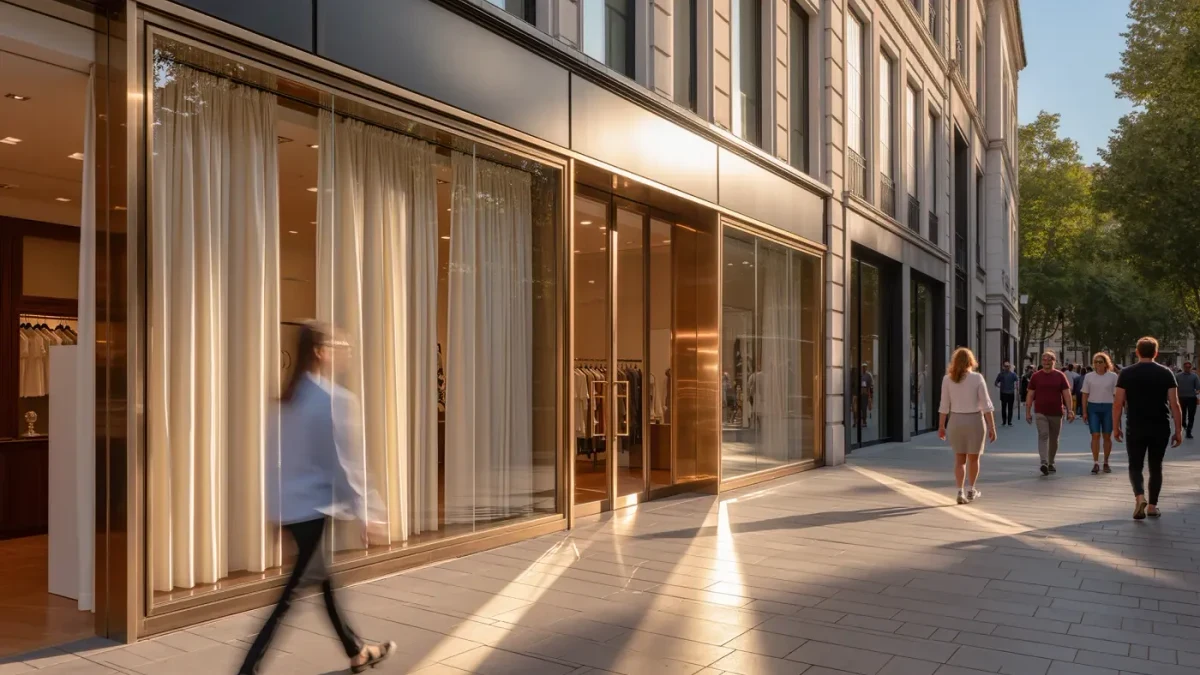
The store that was supposed to die is instead expanding. Issey Miyake opened a new New York flagship at 45 Madison Avenue on May 8, per L'Officiel's running list of 2026 openings, and the season since has filled with proofs of the same thesis: Zara has taken its expanded Oxford Street flagship in London, Alo is extending a chain of standalone Riviera stores through Cannes for the summer, and per Global Brands' retail analysis, names from Uniqlo to Louis Vuitton are treating flagships as cultural infrastructure rather than points of sale. Mid-2026's expansion news is not a recovery story; it is a redefinition one.
What the comeback changes for the industry is what a store is for. The 2015-2020 consensus held that e-commerce would strand big retail; the 2026 ledger shows the opposite at the top of the market — the flagship as media, theatre and data collection, with per-visit economics measured in content and clienteling rather than units per square meter. The detail other coverage skipped: the new wave concentrates in neighborhoods, not malls — Madison Avenue, Aoyama, the Rue du Vieux-Port corridor — because the customer being recruited is the one who shops as an itinerary, not a mission.
Why are flagships thriving while mid-tier retail shrinks?
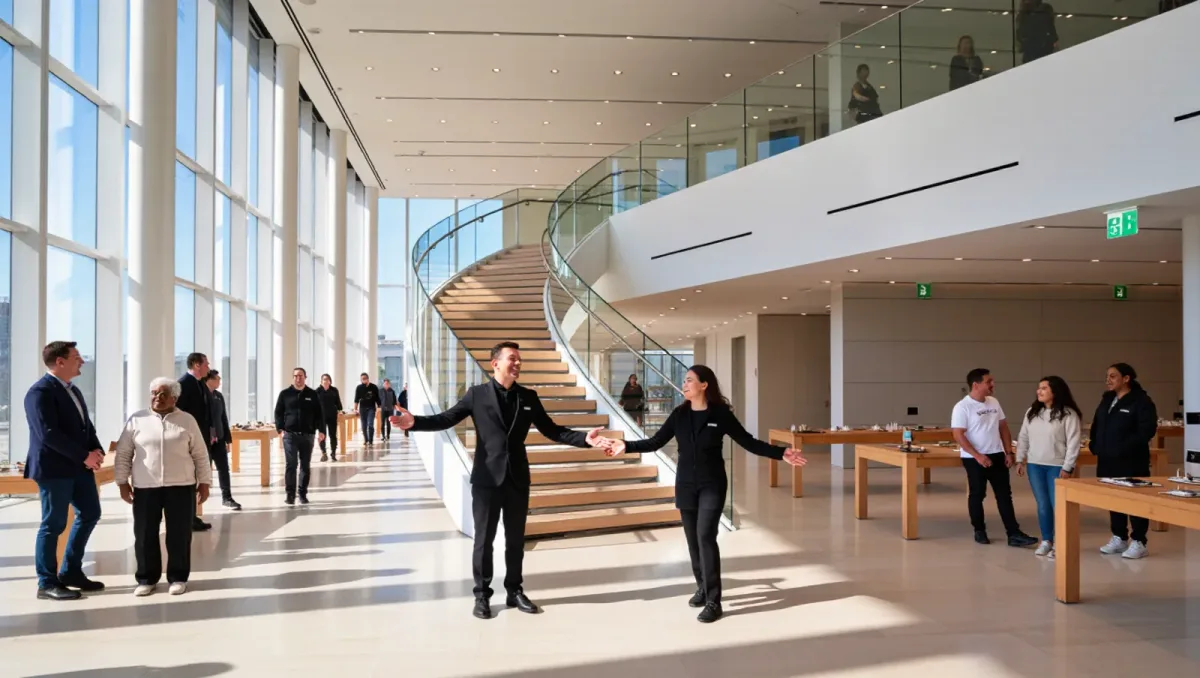
Because the flagship's competitor is not the website — it is the museum and the restaurant. Houses now budget flagships the way they budget campaigns: Issey Miyake's Madison Avenue space functions as a permanent exhibition of the brand's pleating language, per the opening coverage. Mid-tier chains, which cannot amortize architecture as marketing, keep closing; the bifurcation is the strategy.
What does the Riviera expansion tell the trade?
That seasonal geography is the growth map. Alo's Cannes-area sanctuaries, per the season's retail coverage, follow the resort customer along her actual summer route — a distribution logic resorts understood a century ago and e-commerce never could. Expect more brands to schedule store openings against event calendars — film festivals, regattas, fashion weeks — rather than fiscal quarters.
Do the economics actually work?
Differently than before. Per AP's retail coverage of the 2026 expansion cycle, the new flagships are judged on halo metrics — search lift, resale value of the brand's archive, appointment bookings — and only secondly on sell-through. The rent is real; so is the measurement shift, which makes the flagship a branding line item that happens to sell stock rather than the reverse.
What should the trade watch next?
Tokyo. The season's most consequential openings sit in Aoyama and Ginza, where the first international flagships of several Western designers are landing through the summer. Japan's luxury customer has kept spending through the sector's soft quarters, per Reuters' retail reporting, and the city's store architecture — small, precise, appointment-driven — is the model the next expansion wave is copying.