
Forecasting
The Everyday Skill of Reading Trends Before They Peak
Search data, subcultures, and retail signals each tell part of the story. Here is how to read all three, and how to know when a trend is already over.
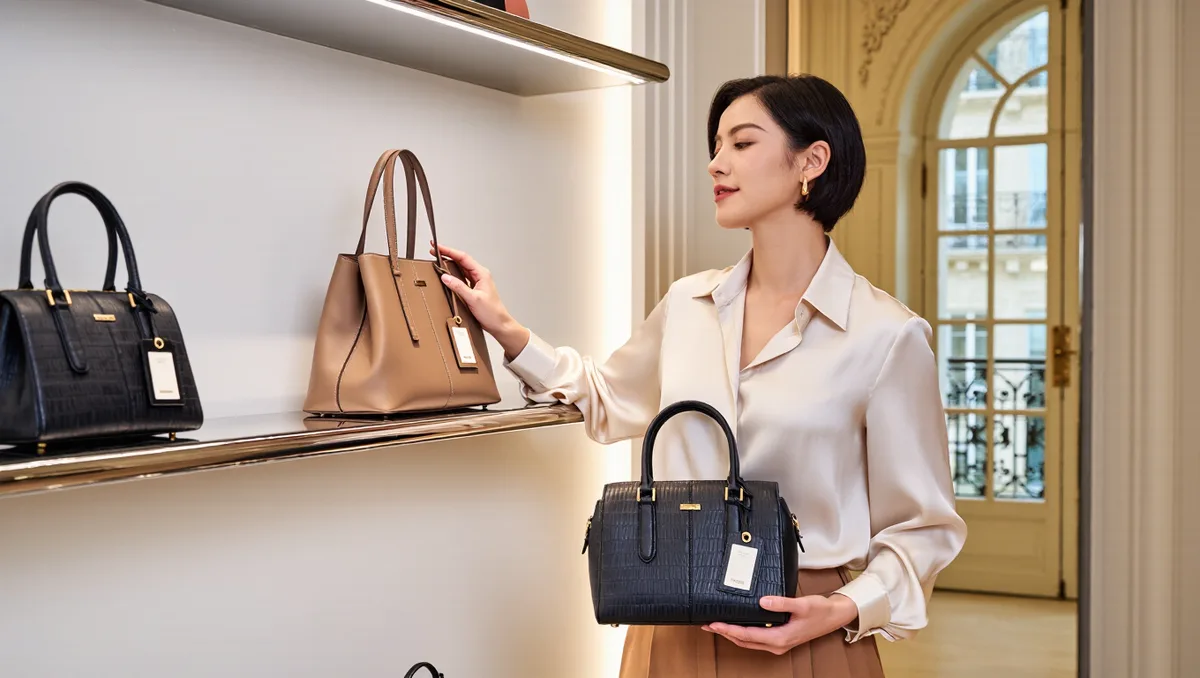
A designer's exit is not just industry gossip. It moves prices, aesthetics, and even what your secondhand bag is worth.
The strangeness is not in the place. It is in the rules you did not know you were following.
What is rising, what is peaking, what is done.
Search data, subcultures, and retail signals each tell part of the story. Here is how to read all three, and how to know when a trend is already over.
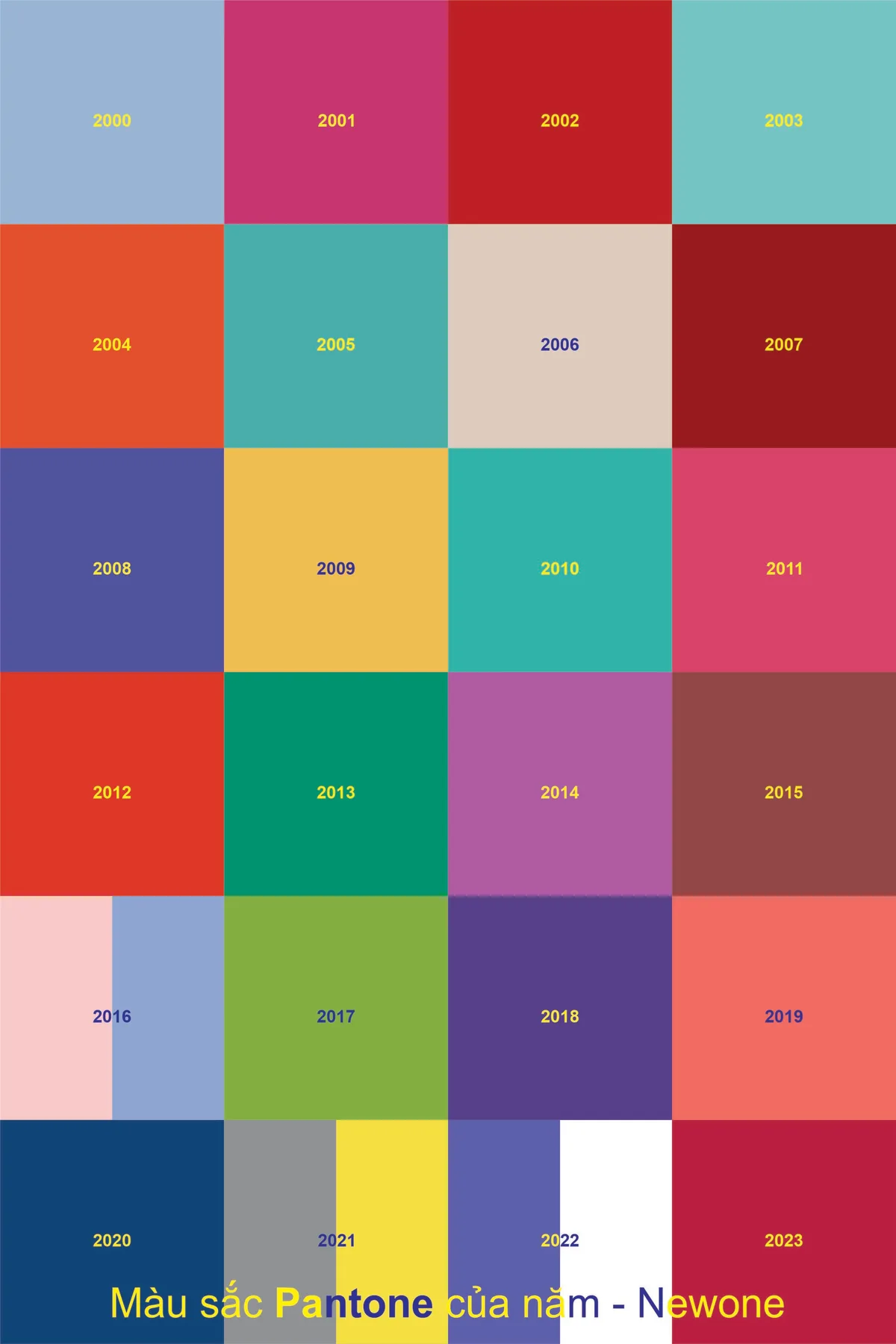
Every year, one color steps into the spotlight. It shows up on runways, in makeup aisles, and across design blogs before most people can even name it.

Forecasts fail for three documented reasons: random futures, systems that react to predictions, and models that no longer fit. How to read forecasts with care.
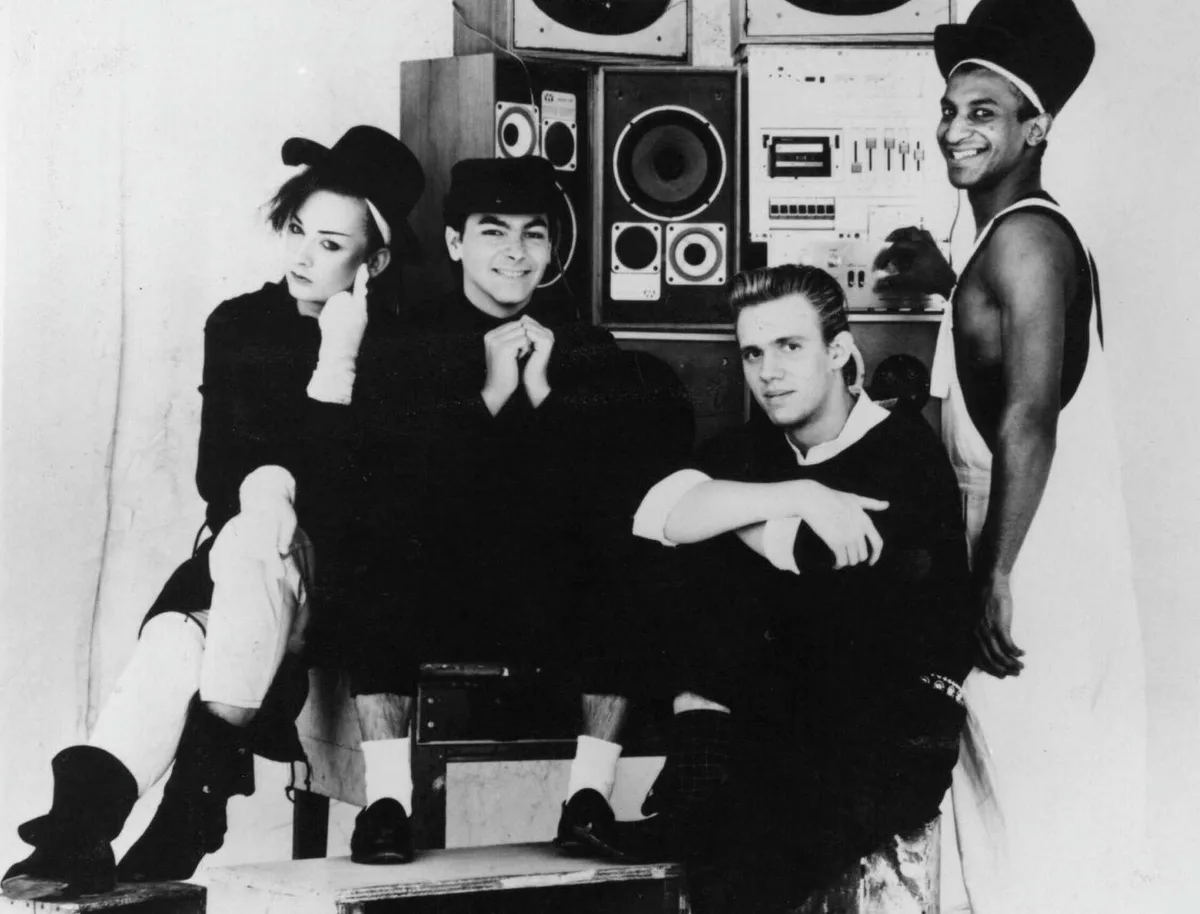
Forty years on, the band's mix of braids, broad hats and borrowed glamour remains a template for how pop uses clothing to argue with convention.

The word carries three centuries of academic baggage and a very new set of online habits. Both are worth understanding.

From punk's safety pins to K-pop's color-coordinated fandoms, sound moves first and style follows. The pattern is old, and it still works.

The two-hour influencer version collapses in week one. A realistic one starts with what your actual Tuesday looks like.

Tailoring, accessories and color do most of the work. None of them requires a shopping trip.

The same pipeline that moves a color from runway to rack now moves a flavor from a restaurant counter to the supermarket shelf — faster, and with less staying power.
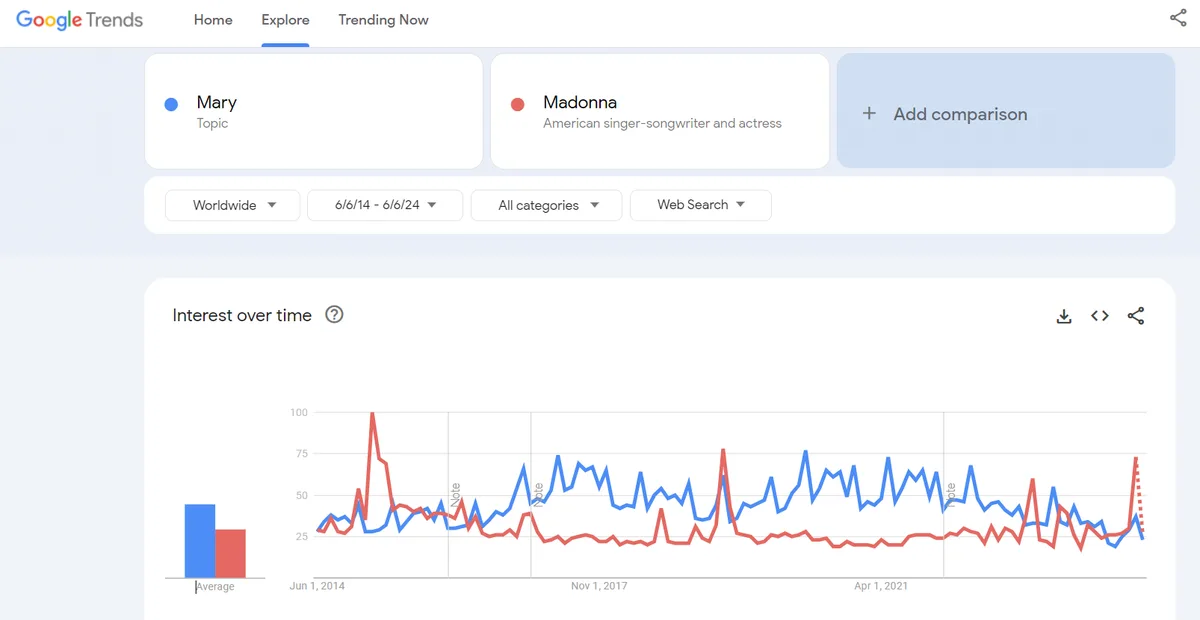
The label looks like a verdict on culture. It is really a score on engagement signals — and the system behind it is not even an algorithm, strictly speaking.
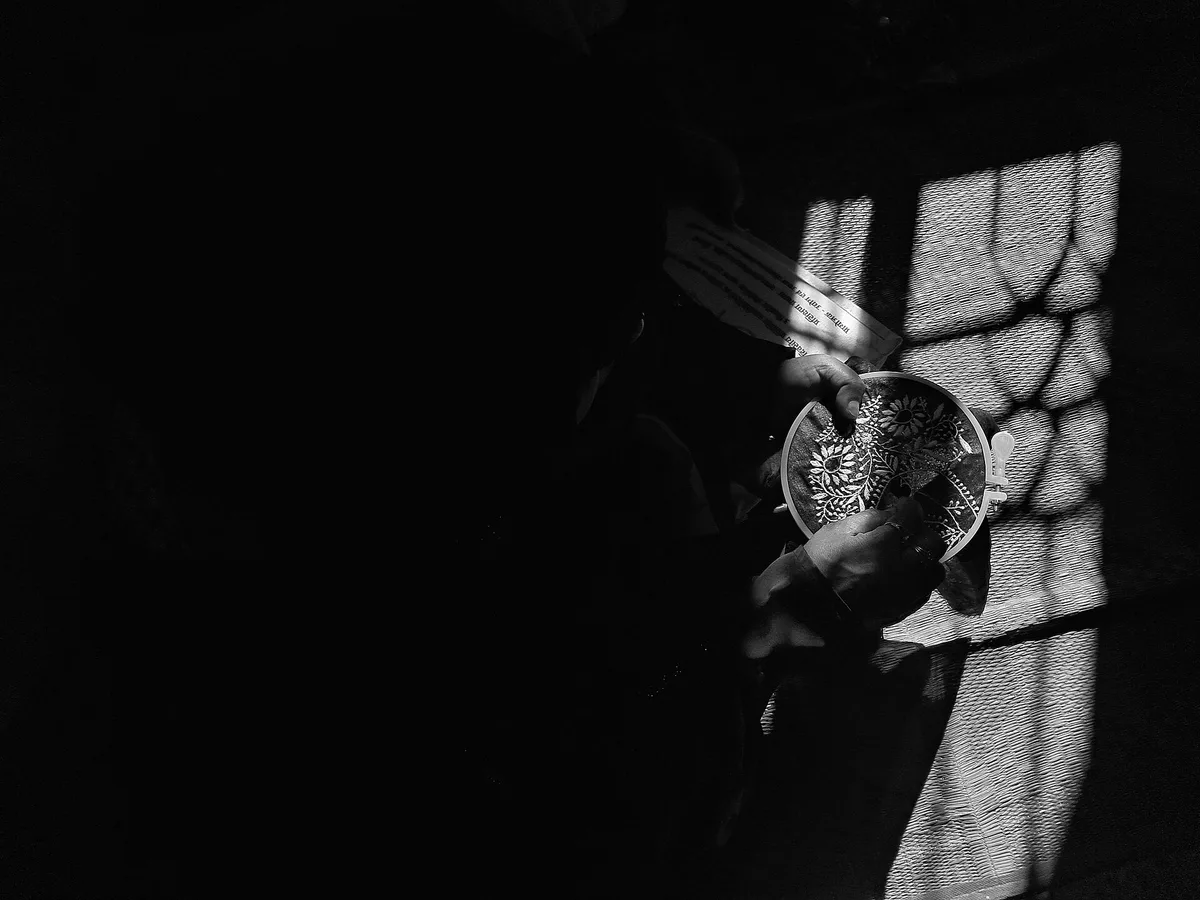
Lucknow's quiet embroidery keeps resurfacing in festive edits. Here is how to pick a piece that lasts past one season.

Timing, exclusives and reader appetite decide the front of the book — and the decision is more mechanical than it looks from outside.
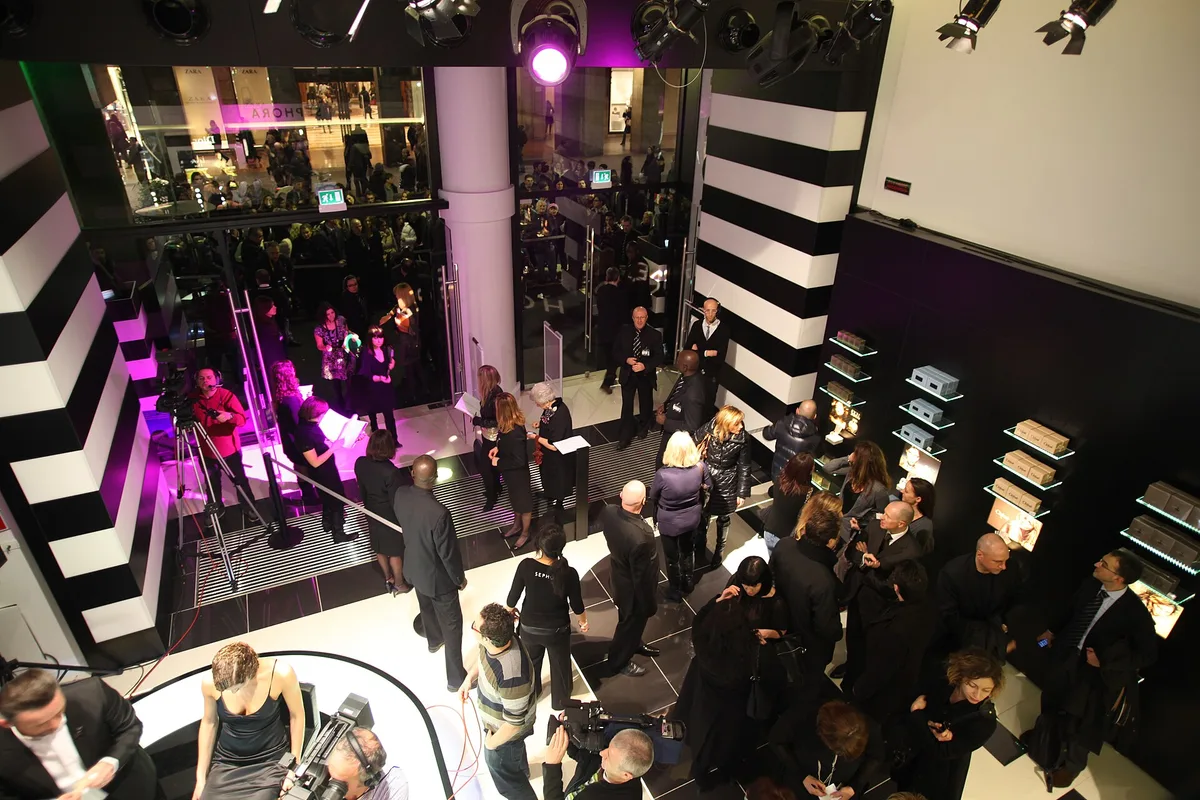
Long before a runway show makes headlines, the cloth behind it has already been chosen at an industry fair most outsiders never hear about.
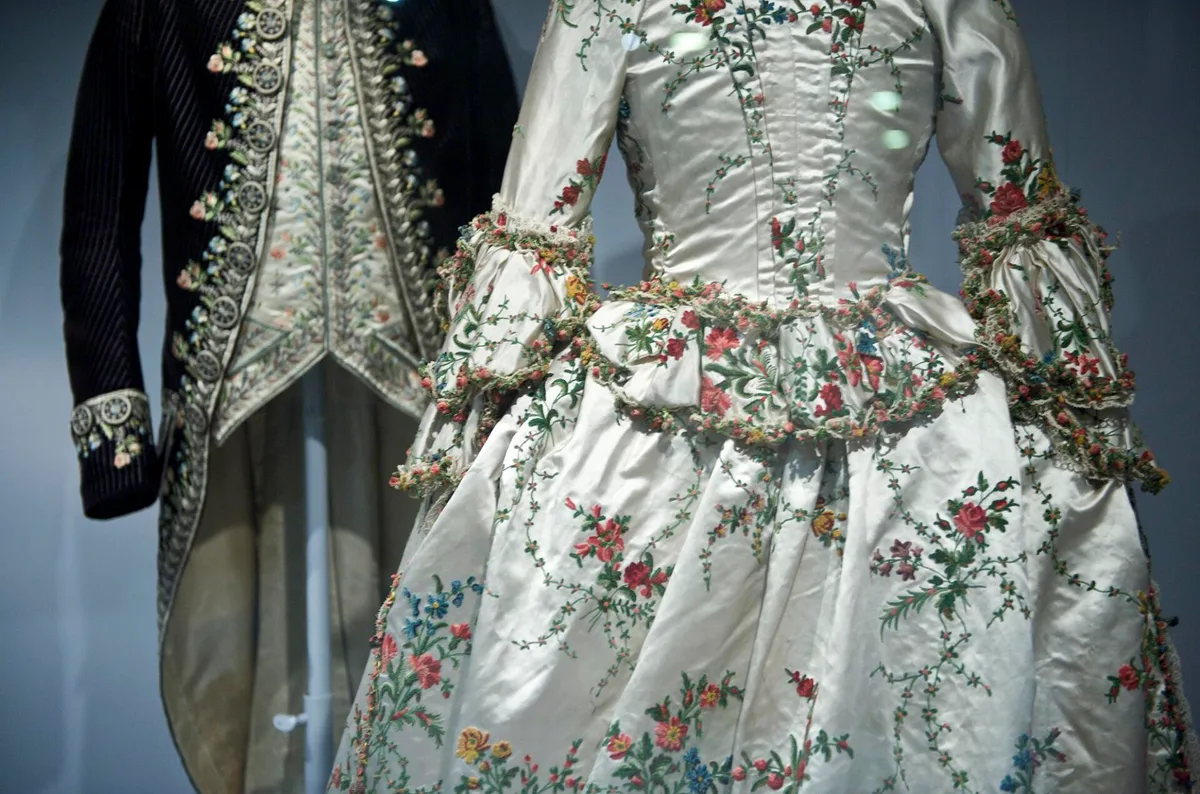
Critic language is a code. Once you know what 'cohesive' and 'commercial' actually signal, a review tells you more than its star rating ever will.
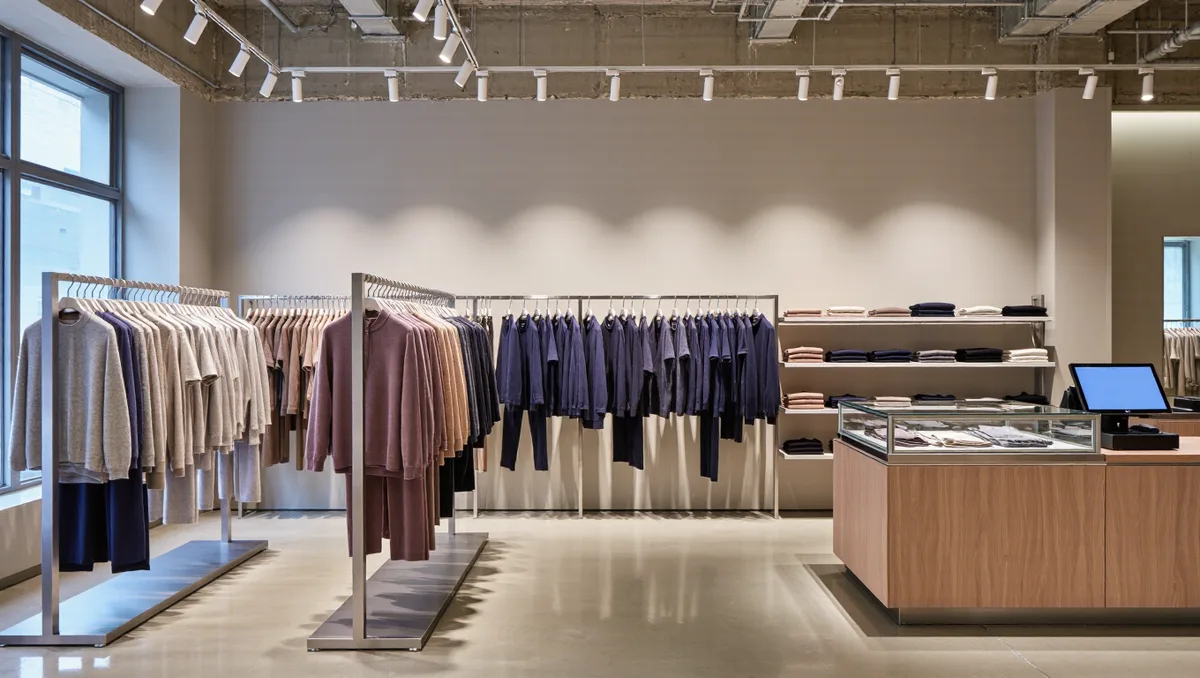
The discount rack is the industry's most public scoreboard, and it grades the buyers, not the shoppers.
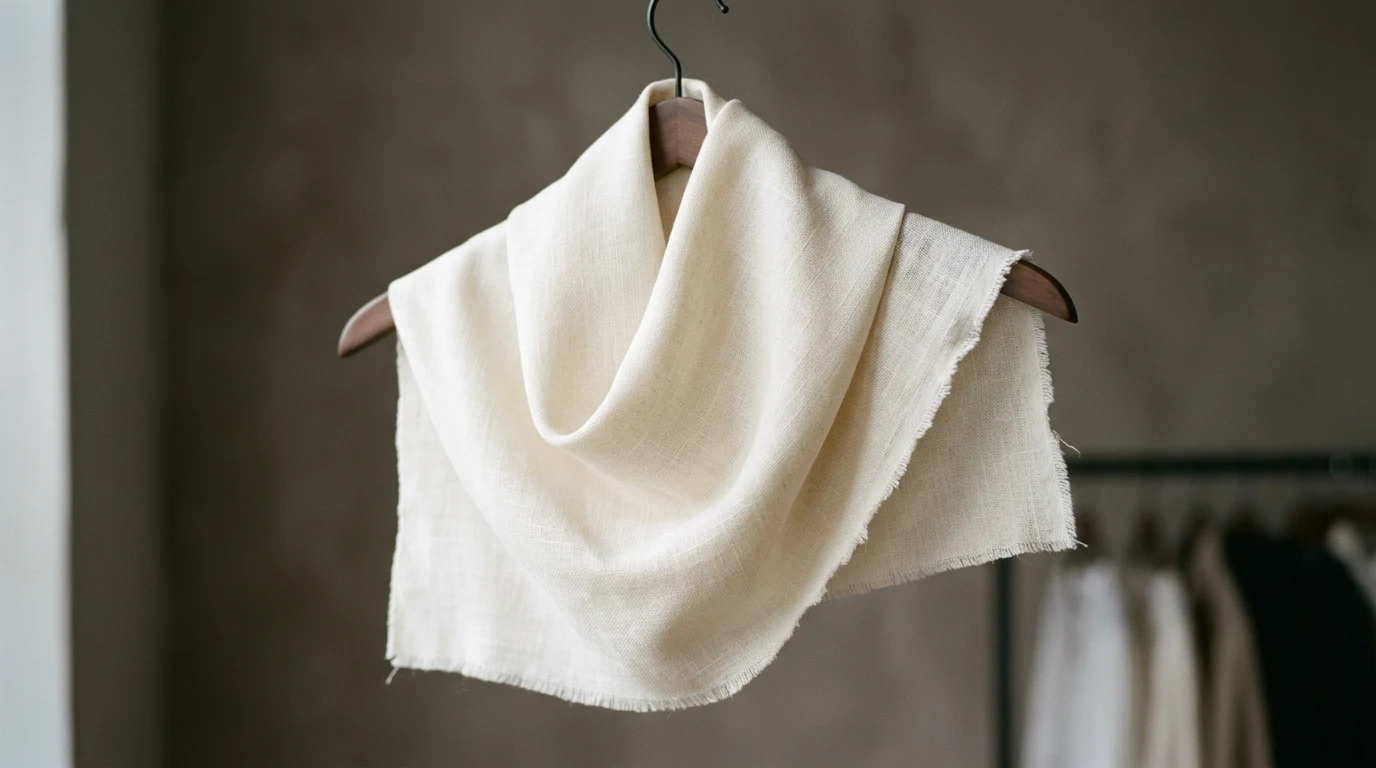
Pantone named Cloud Dancer — a soft off-white catalogued as PANTONE 11-4201 — its Color of the Year for 2026 on December 4, 2025, the newest call in a forecasting system that runs two very different ways.

Trend forecasting turns scattered signals into informed guesses. The main models in plain language, from pattern spotting to long-range planning and AI.

Signals, weak data, and the slow work of turning noise into a named direction.

Runway counts, street photography and fabric reports feed a research pipeline that runs years ahead of the racks.
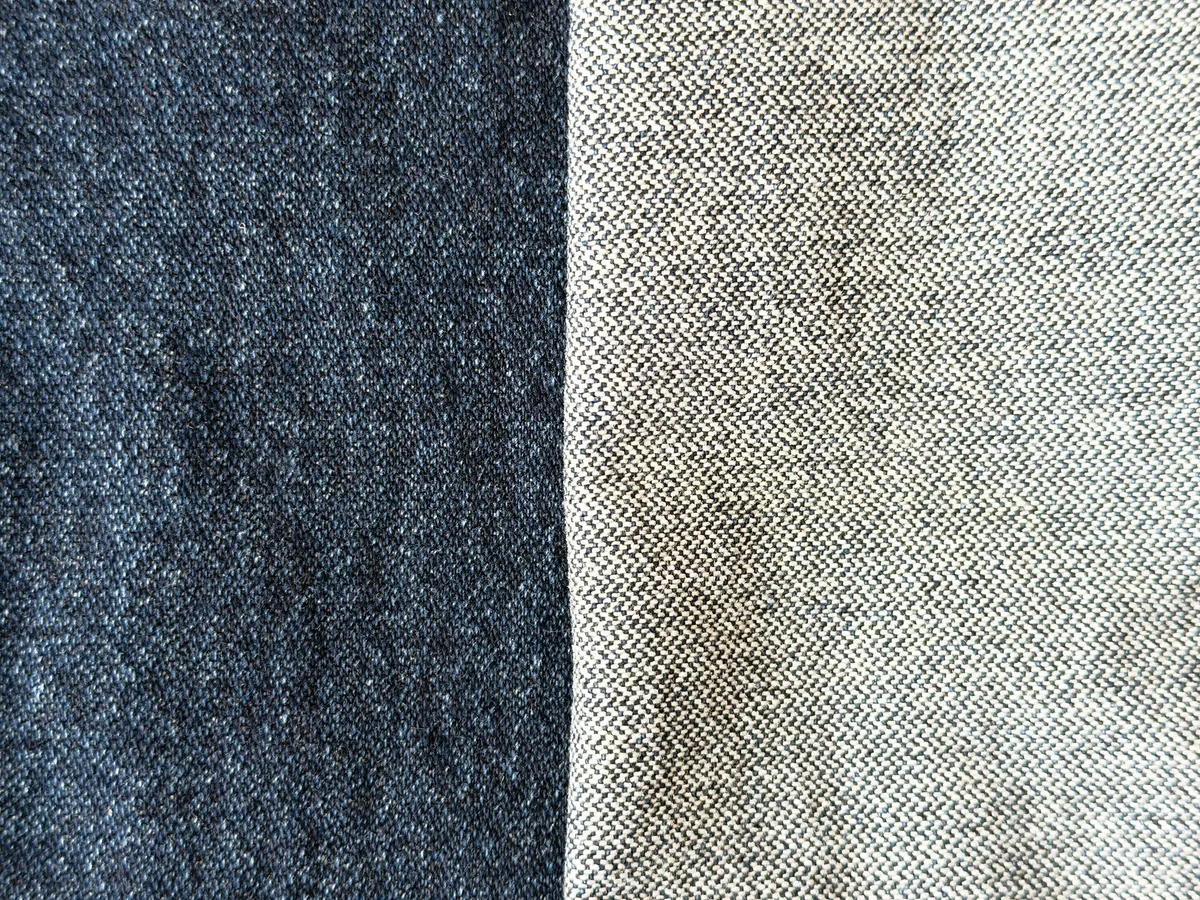
Off the runway, slouchy jeans and tailored denim carried the week's parties and street style — a street-level read on where the fabric is heading.
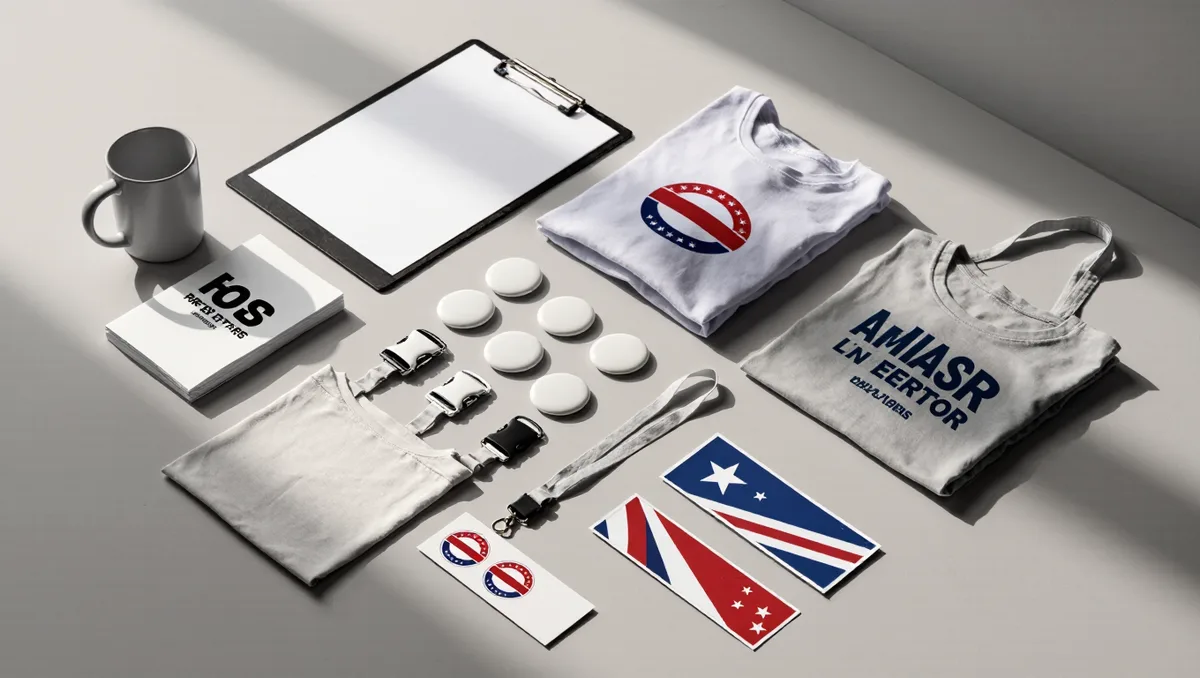
Campaign apparel stopped being a souvenir and started being a style — and the reasons it holds a place in the closet now go beyond any single election.
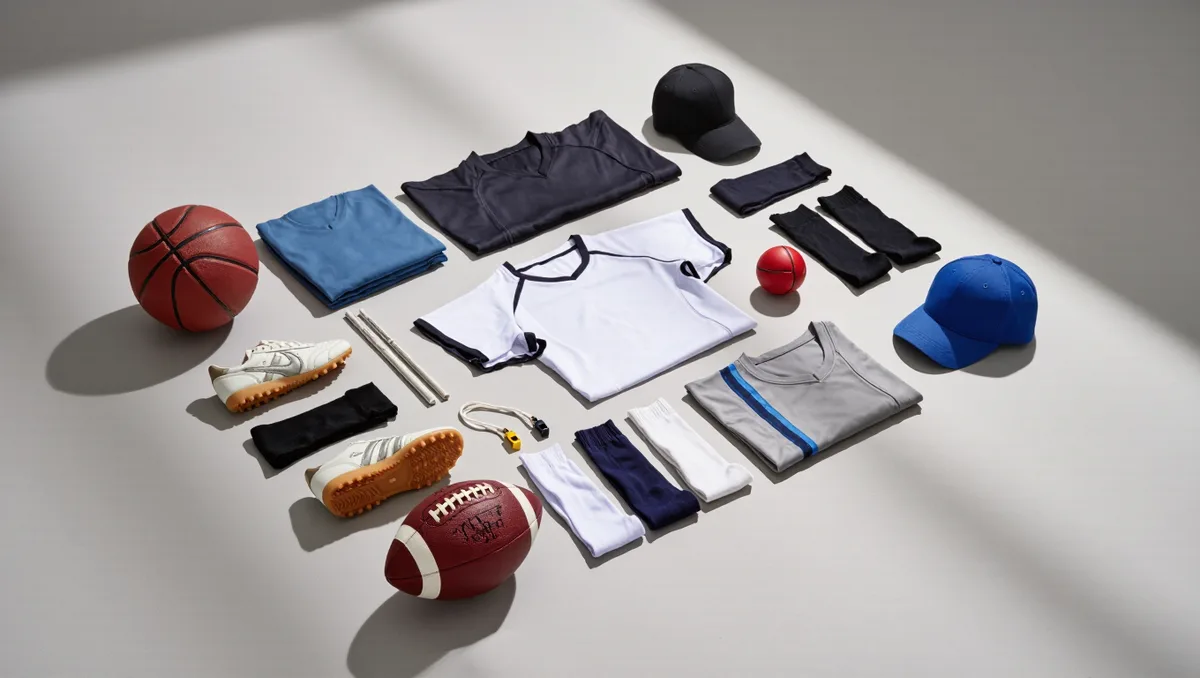
Team kit design has fed everyday dress for decades. The pipeline is structural, and it repeats for reasons forecasters can actually track.

The Costume Institute's Superfine theme made 2025 the first all-menswear Met Gala since 2003, and the tailoring direction reached retail moodboards within the season.

Forecasting agencies sell synthesis — runway tallies, retail data, and cultural signals combined into reports bought two years ahead of the selling season.