
Forecasting
What Happens When a Trend Forecast Misses Its Season
A missed call becomes inventory, markdowns and a calibration exercise — and the industry's habit of hedging is precisely what keeps misses survivable.
Forecasting explains the discipline itself: where practitioners source data, how far ahead a call can hold, what a color council decides, and how confidence ought to be stated. Old forecasts are revisited and scored here, wrong ones included. For people who forecast professionally or buy the output.
A missed call becomes inventory, markdowns and a calibration exercise — and the industry's habit of hedging is precisely what keeps misses survivable.
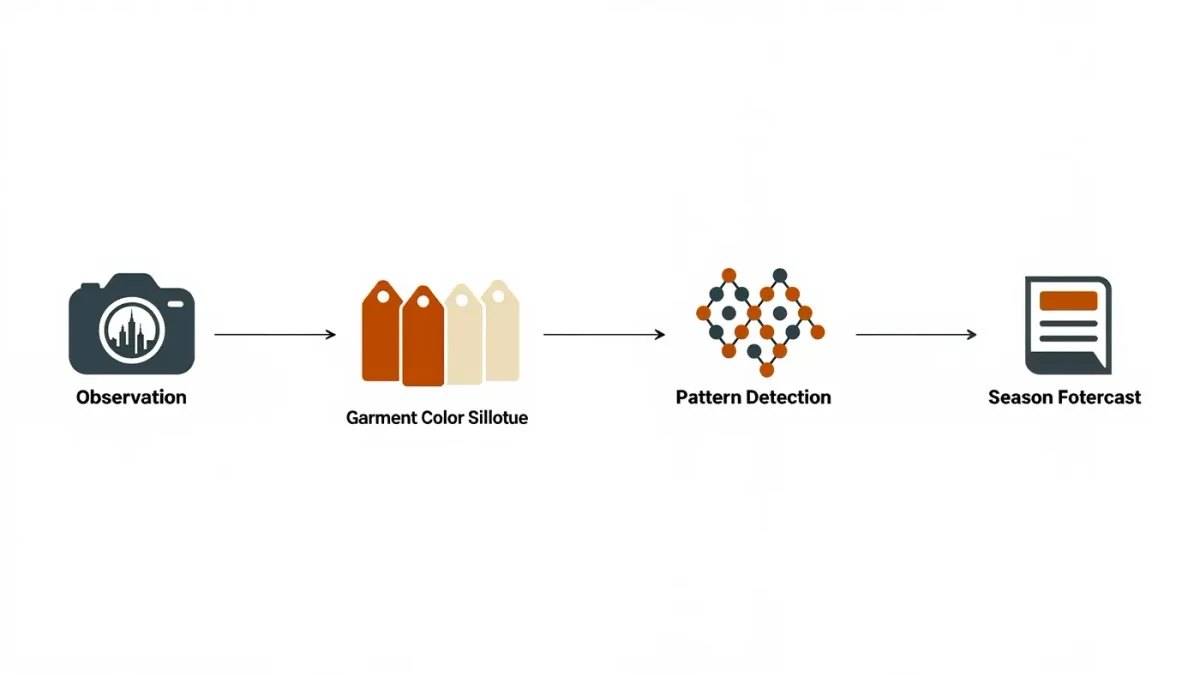
Street observation is the only live dataset of real adoption — and agencies fuse cameras, scouts and digital traces to read taste while it is still forming.

Brands can seed, stage and amplify — but engineered trends only take when a deliberate campaign meets a signal the culture was already producing.

Months before a garment reaches the floor, buying teams translate agency forecasts into budgets, palettes and order sheets — then grade the calls at season's end.
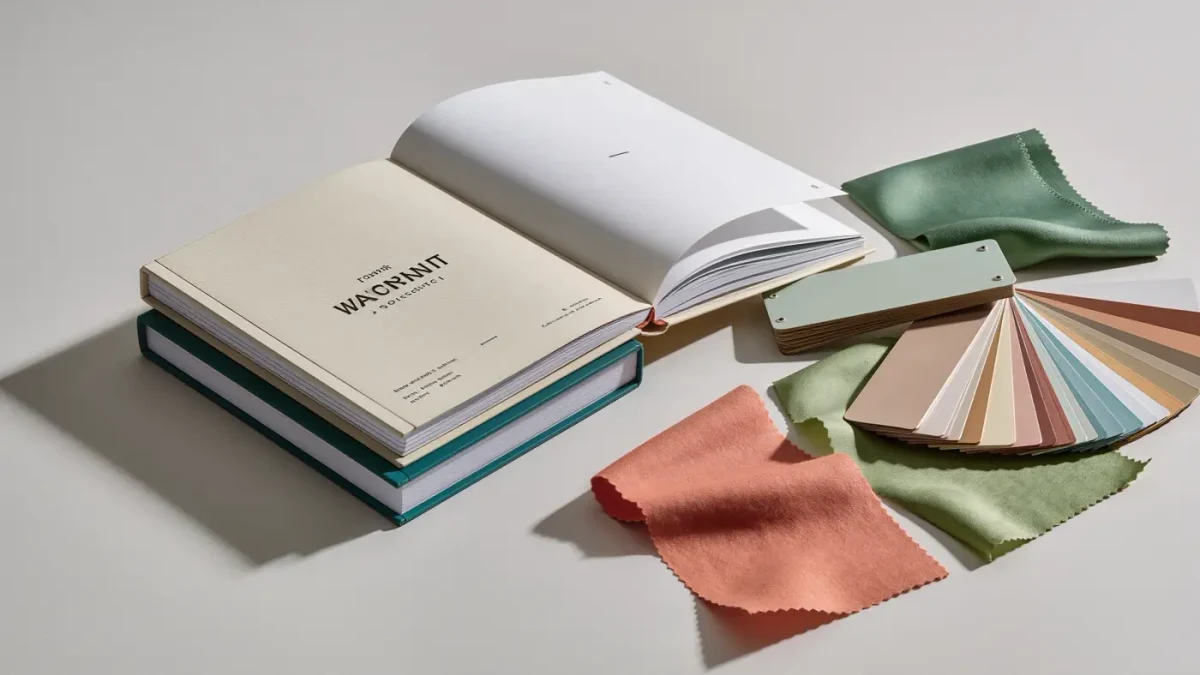
Reports, palettes, consumer research and analyst time — the trend business packages judgment on the future into annual subscriptions that brands plan around.
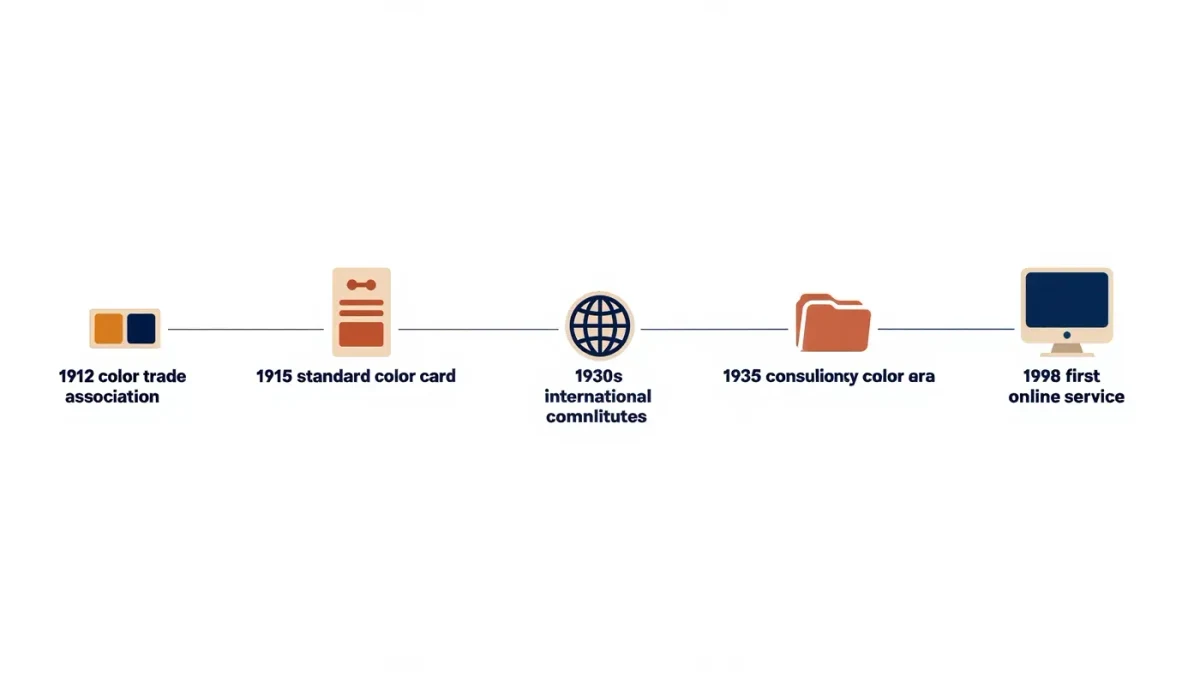
The profession traces to an American color trade association founded in 1912 — and to interwar European committees that learned to agree on palettes two seasons ahead.