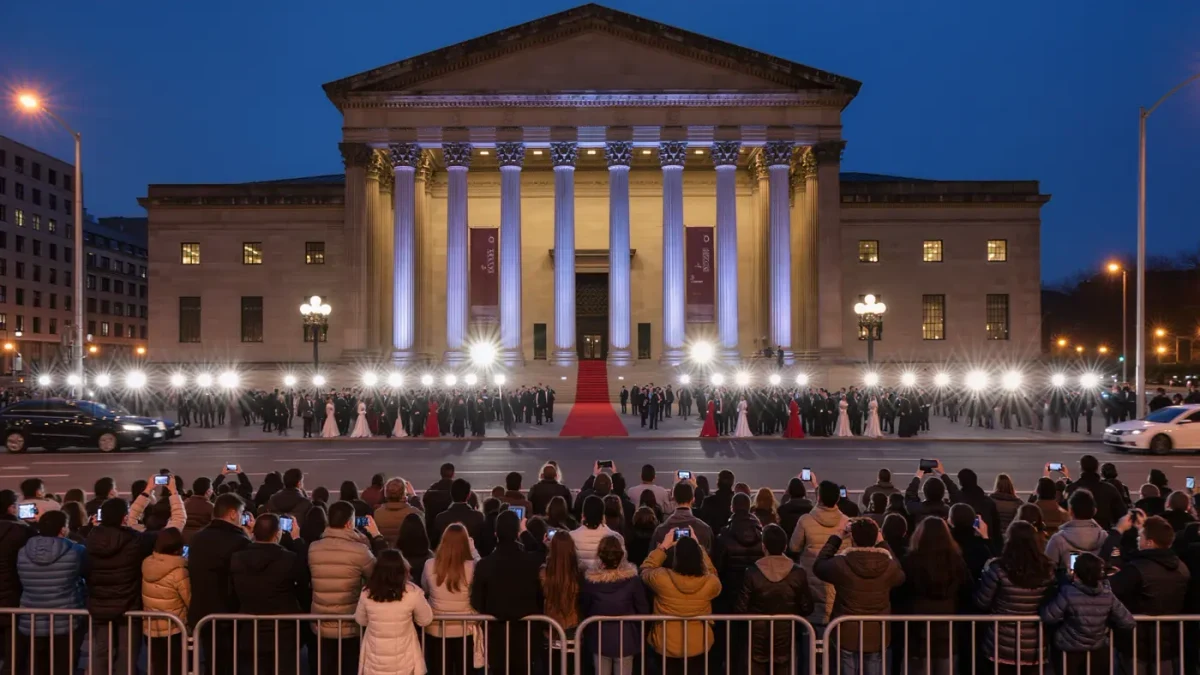
The Met Gala returns on the first Monday in May with a dress code of Fashion Is Art, announced by the Costume Institute and Vogue ahead of the spring 2026 exhibition Costume Art, per Vogue's announcement. The code invites guests to express their own relationship to fashion as an embodied art form, according to the Met's press materials.
The exhibition behind the code
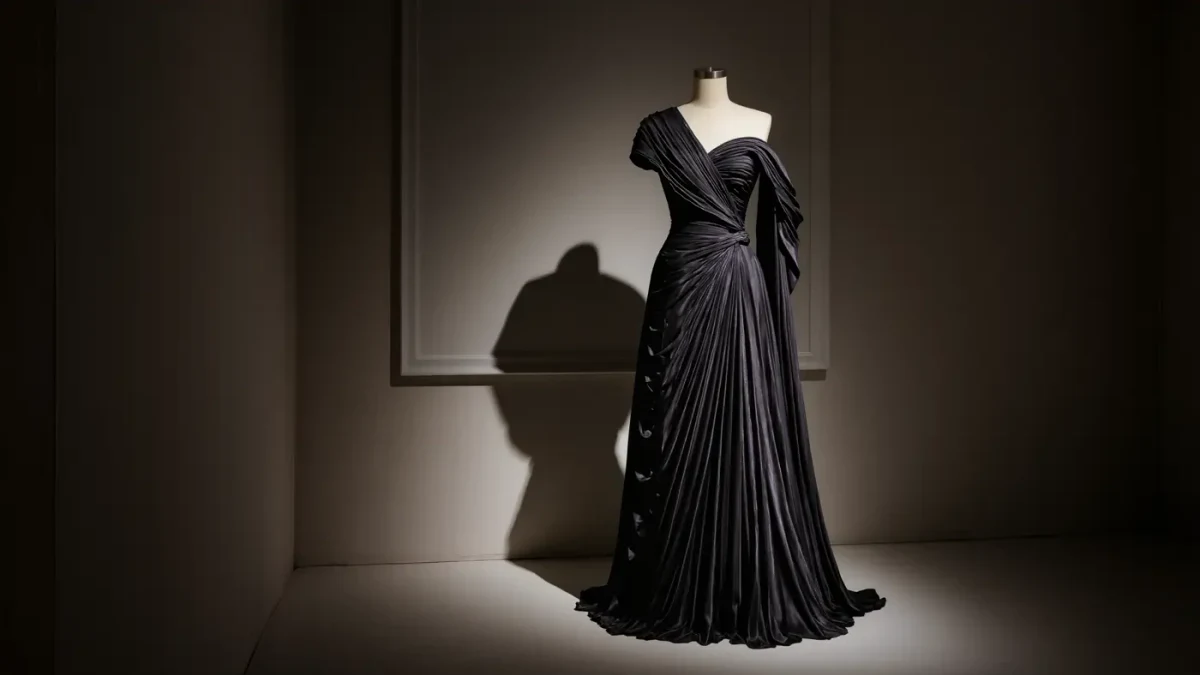
Costume Art, the Costume Institute's spring 2026 show, explores depictions of the dressed body across the Met's collection, pairing historical and contemporary garments with artworks from the museum's painting and sculpture holdings, per the Met's announcement. That pairing sets the evening's logic: guests are not dressing for a period theme but for an argument that the clothed body is itself an artistic subject.
What the code signals for tailoring and silhouette
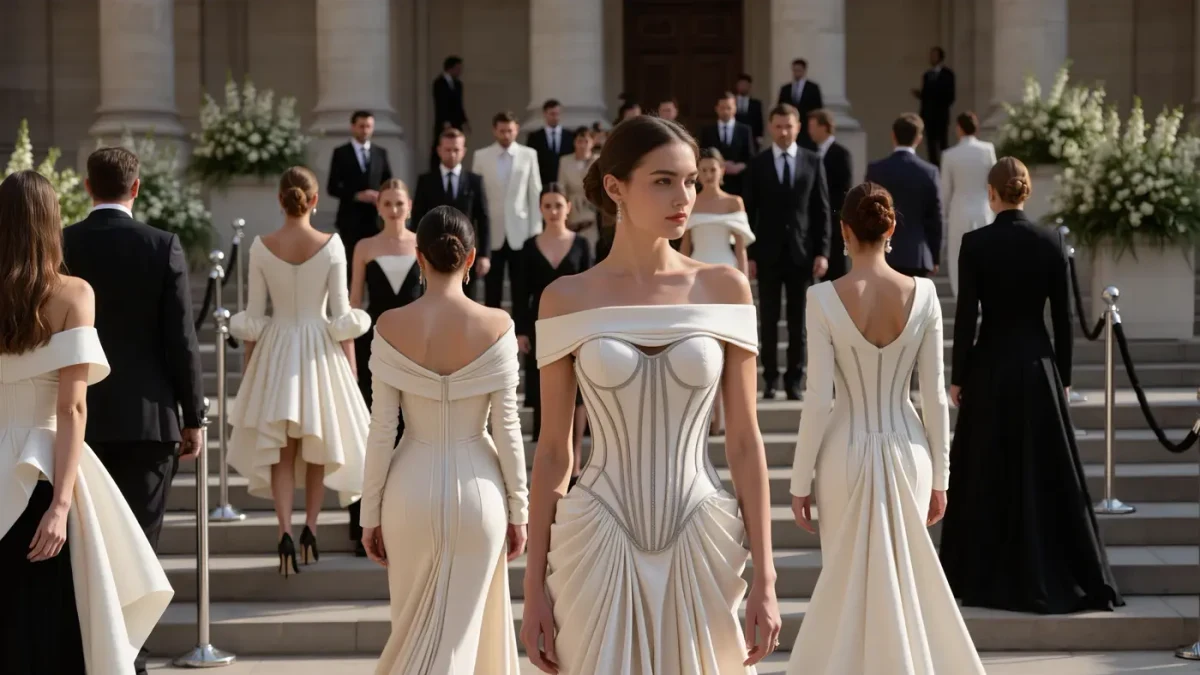
Dress codes move ateliers before they move red carpets. Fashion Is Art is body-forward in a way recent codes were not: it points toward sculptural construction, visible corsetry, draping that references the figure rather than concealing it, and one-of-one pieces that photograph as objects. For tailoring houses the reading is different — the code's art framing licenses asymmetric cutting, exposed inner construction and non-standard shoulder lines, the techniques that translate most directly from gallery logic to garment.
Expect the split to run between sculpture and tailoring rather than between vintage and new. Under a code this abstract, the houses with couture workrooms hold the advantage, because interpretation, not archive access, is the constraint.
Why the code matters beyond one evening
- Red-carpet codes of recent years have previewed red-carpet economics: after the gala, the interpretation choices — trains, corsetry, art references — recur through awards season within weeks.
- The exhibition's museum-plus-fashion pairing tends to lift interest in the Costume Institute's period holdings, which retail translation follows more slowly but more lastingly.
- The body-centered framing lands at a moment when spring 2026 runways had already split between fluid draping and hard structure; the gala will read as a referendum on which half wins the season.
What to watch that coverage will miss
The measurable signal is not the celebrity looks but the credits: which ateliers and unnamed makers receive billing for one-of-one work. If the credits list widens beyond the usual couture houses — toward independent cutters and corset makers — Fashion Is Art will have shifted whose craftsmanship the industry treats as art. That credit list, not the carpet, is the trend document.