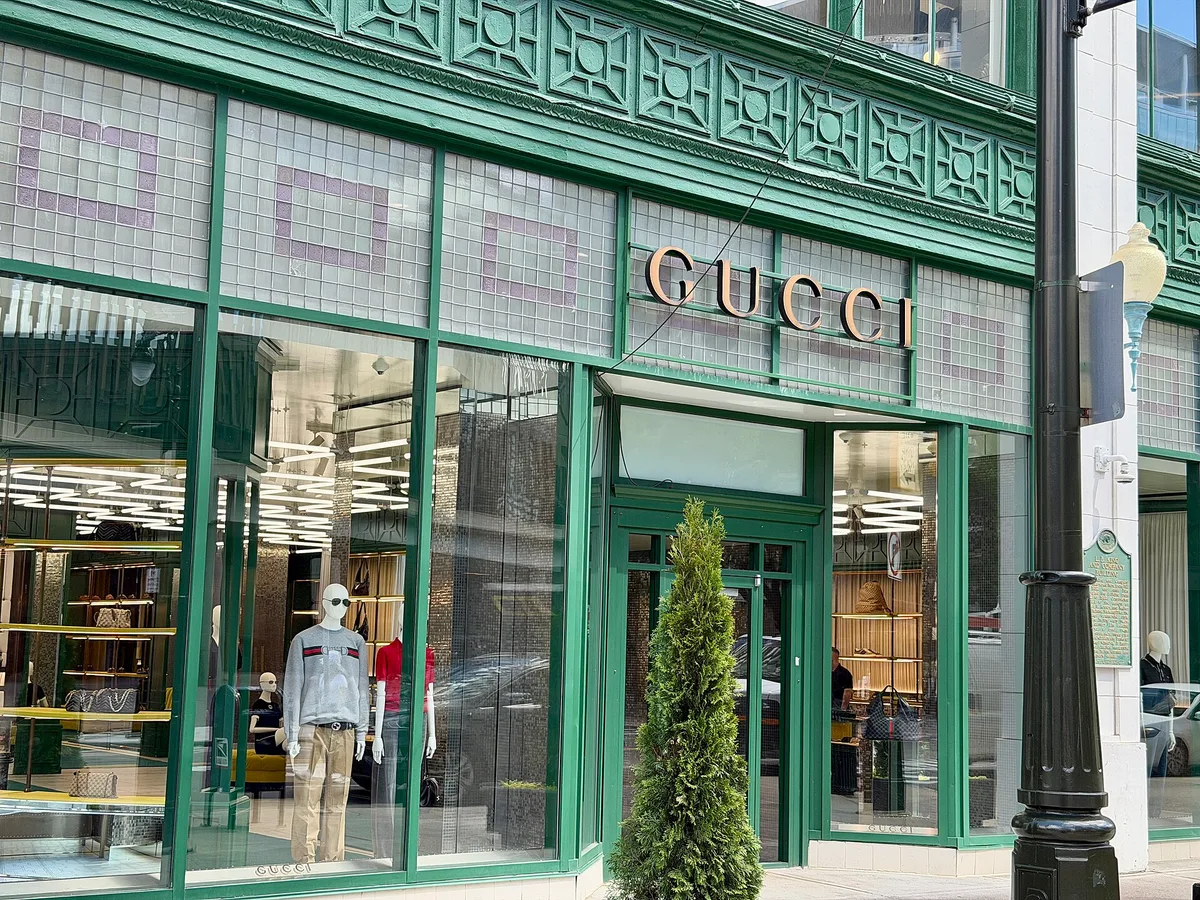
When a luxury house changes creative directors, the effects reach well past the front row. The new designer decides which silhouettes return, which fabrics get ordered, and which bags get discontinued. Shoppers feel it in what lands on the sales floor, in what gets marked down, and in what the resale market decides an older piece is now worth.
The scale of the current wave of creative director changes has made this hard to ignore. Our coverage of the creative-director reshuffle settling into place in 2026 tracked how many major houses rotated leadership at once, and a companion piece noted the quiet end of the reshuffle's first act by early summer. Each appointment resets a house's visual language, and each reset sends ripples through inventory, pricing, and resale.
This explainer walks through the chain of consequences, from the runway to the rack to the resale listing, and what it practically means for anyone building a wardrobe on a real budget.
What does a creative director actually control?
The title sounds lofty, but the job is concrete. A creative director sets the direction of a house's collections: the shapes, the colors, the materials, and the signature pieces that carry the brand's name. In the broadest sense, a designer is someone who plans the form of something before it is made, a definition Wikipedia applies across design professions, from fashion to furniture. At a fashion house, that planning happens seasons in advance, which is why a change at the top does not show up in stores overnight.
Beneath the director sits a large team of patternmakers, textile specialists, and studio staff who execute the vision. The director's personal taste, however, is the filter everything passes through. Change the filter, and the output changes, even when the factories and the fabric suppliers stay the same.
Why does the runway change before the store does?
Fashion works on a long pipeline. A collection shown in one season was designed many months earlier, and the pieces that reach shops even later. So when a new creative director arrives, the first collections under their name take time to arrive. In the gap, stores sell the outgoing designer's final work, often the pieces collectors talk about most.
That gap creates a strange window. The old aesthetic is still on the sales floor while the new one is only a rumor from the runway. Shoppers who understand the timing can read the window clearly: what is in stores now reflects the previous regime, and the new direction arrives on a delay.
How do designer moves affect prices and markdowns?
Two pricing effects follow a leadership change. The first is on new stock. A house repositioning itself under a new director may shift where its products sit on the price ladder, and it may clear out inventory that no longer fits the story it wants to tell. That clearing often shows up as deeper markdowns on pieces tied to the previous era. Our guide to why markdown rates reveal a misread season explains how discounting patterns can signal when a house's output and its customers' appetites have drifted apart.
The second effect is on older stock. Pieces from a beloved departed designer can hold their value or climb, while pieces from a stint that ended badly can soften. The director's reputation becomes part of the product's price history, even for an item that left the factory years before the announcement.
What happens on the resale market?
Resale reacts fastest of all. The moment an exit is announced, listings for that designer's work get rewritten. Sellers add the words "final collection" or "under [name]" to titles, and asking prices move in either direction depending on how the tenure is remembered. Our report on how partnerships are reshaping secondhand luxury describes a resale channel that now behaves less like a side market and more like a parallel retail economy, which means these repricings are visible and fast.
For a wardrobe builder, this cuts both ways. A director's departure can make their older pieces more expensive on the secondhand market, as demand concentrates on a finite supply. But it can also create bargains when a house discontinues a line and current-season buyers lose interest, leaving well-made pieces undervalued relative to their construction quality.
What this means for your wardrobe
None of this requires chasing the news cycle. A few principles hold steady across every reshuffle:
- Buy the garment, not the headline. Construction, fabric, and fit outlast any designer's tenure. A well-cut coat from an outgoing designer is still a well-cut coat.
- Know where a piece sits in the timeline. If you care about provenance, learn which seasons fall under which director before you buy, new or secondhand. Resale listings will tell you a piece's era only if you know what the eras are.
- Expect a lag, not an instant switch. The store floor and the runway run on different clocks. Do not assume a new appointment has changed what is available to try on this month.
- Watch markdowns, not announcements. Discounting is where a house's own inventory math becomes visible. The runway tells you the story; the markdown rack tells you what actually sold.
Fit remains the skill that no reshuffle changes. Proportion, tailoring, and knowing your own measurements will do more for how you look than any single appointment or exit. Trends arrive on someone else's schedule; fit is the part you control.
Why the reshuffle itself became the story
The concentration of creative director changes across so many houses at once turned a routine industry rhythm into a season's main narrative, as our piece on the February 2026 debut season and our look at the tightening autumn 2026 calendar both recorded. When many houses reset at the same time, the whole market's aesthetic baseline shifts, and the price and resale effects compound rather than offset. For related coverage, see The Autumn 2026 Fashion Calendar Tightens, and the Schedule Itself Became the Story.
The practical takeaway is modest and durable. Designer moves are worth reading because they explain what you will see in stores over the next few seasons and why a piece you own may suddenly be described differently by sellers. They are not worth rearranging a wardrobe around. Buy well, buy fit, and let the industry rotate on its own schedule.