
Topic
What Trend Researchers Do Behind Closed Doors
Signals, weak data, and the slow work of turning noise into a named direction.
Signals, weak data, and the slow work of turning noise into a named direction.

Timing, exclusives and reader appetite decide the front of the book — and the decision is more mechanical than it looks from outside.

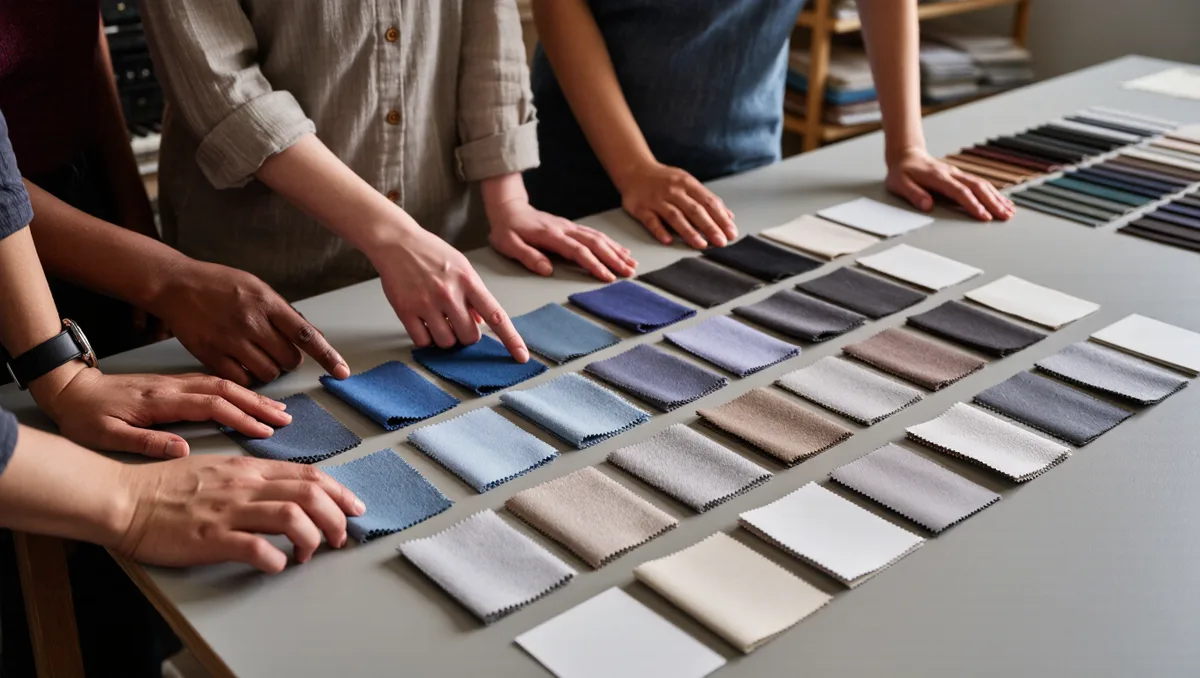
Runway counts, street photography and fabric reports feed a research pipeline that runs years ahead of the racks.
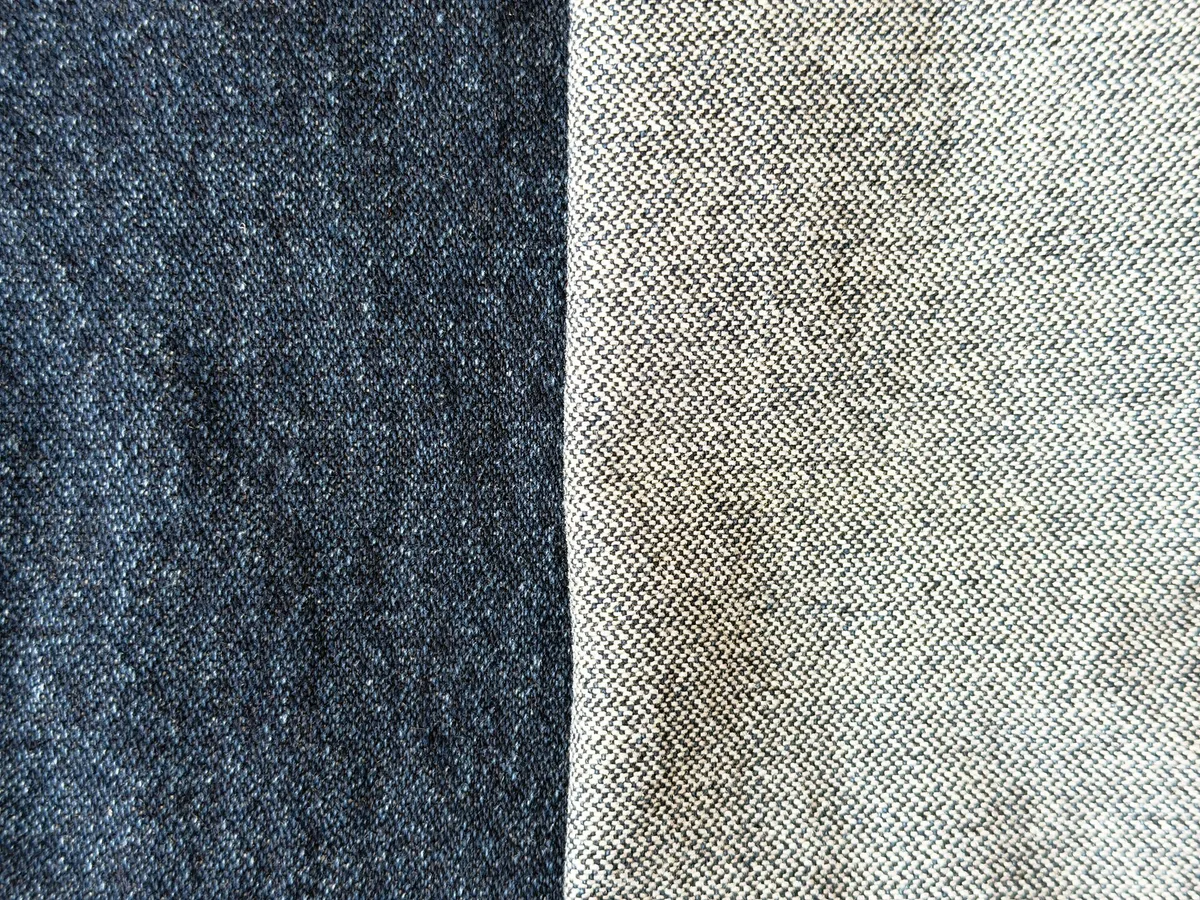
Off the runway, slouchy jeans and tailored denim carried the week's parties and street style — a street-level read on where the fabric is heading.
From punk's safety pins to K-pop's color-coordinated fandoms, sound moves first and style follows. The pattern is old, and it still works.

Tailoring, accessories and color do most of the work. None of them requires a shopping trip.
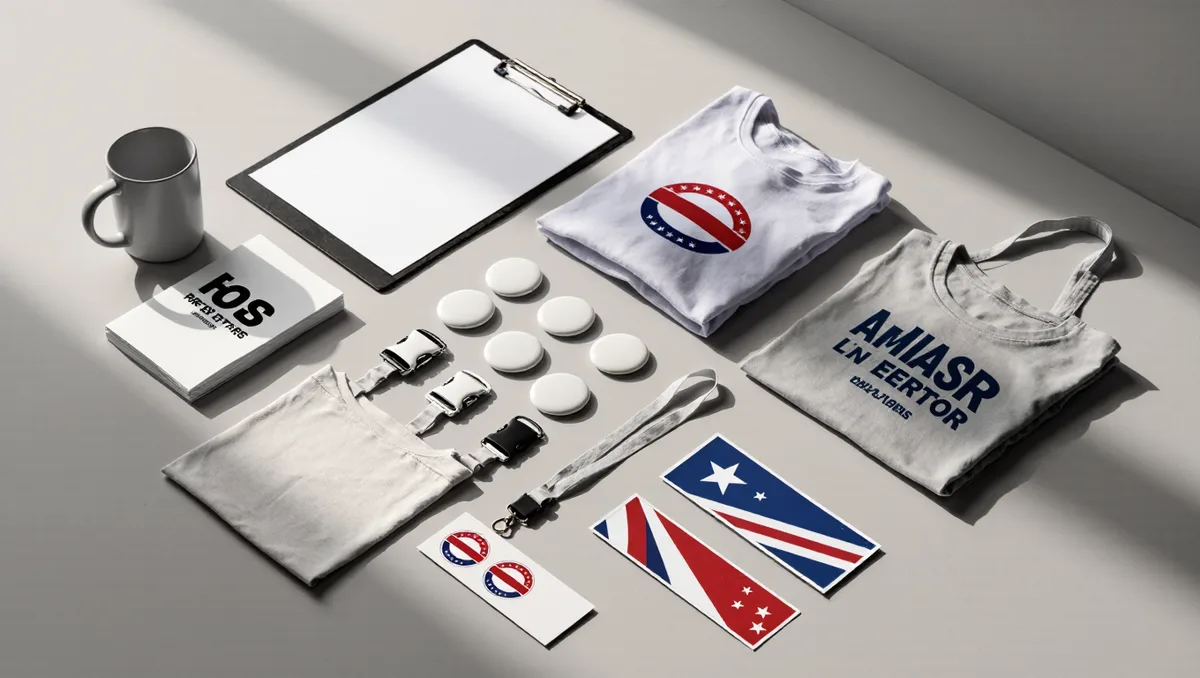
Campaign apparel stopped being a souvenir and started being a style — and the reasons it holds a place in the closet now go beyond any single election.
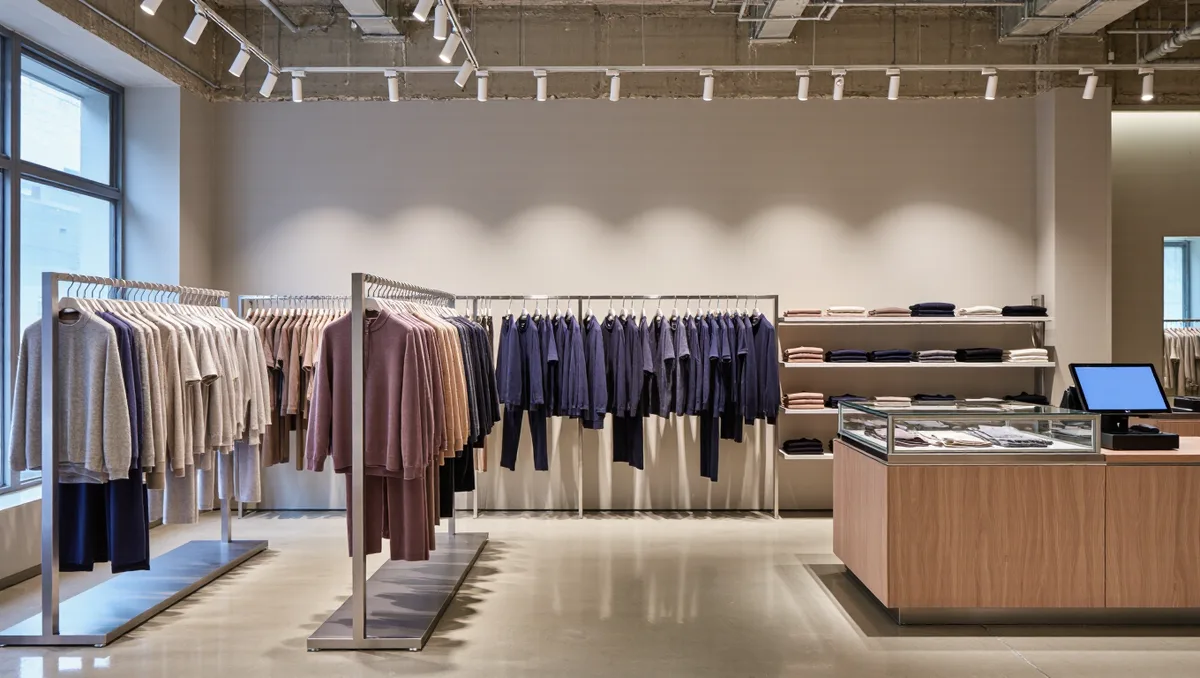
The discount rack is the industry's most public scoreboard, and it grades the buyers, not the shoppers.
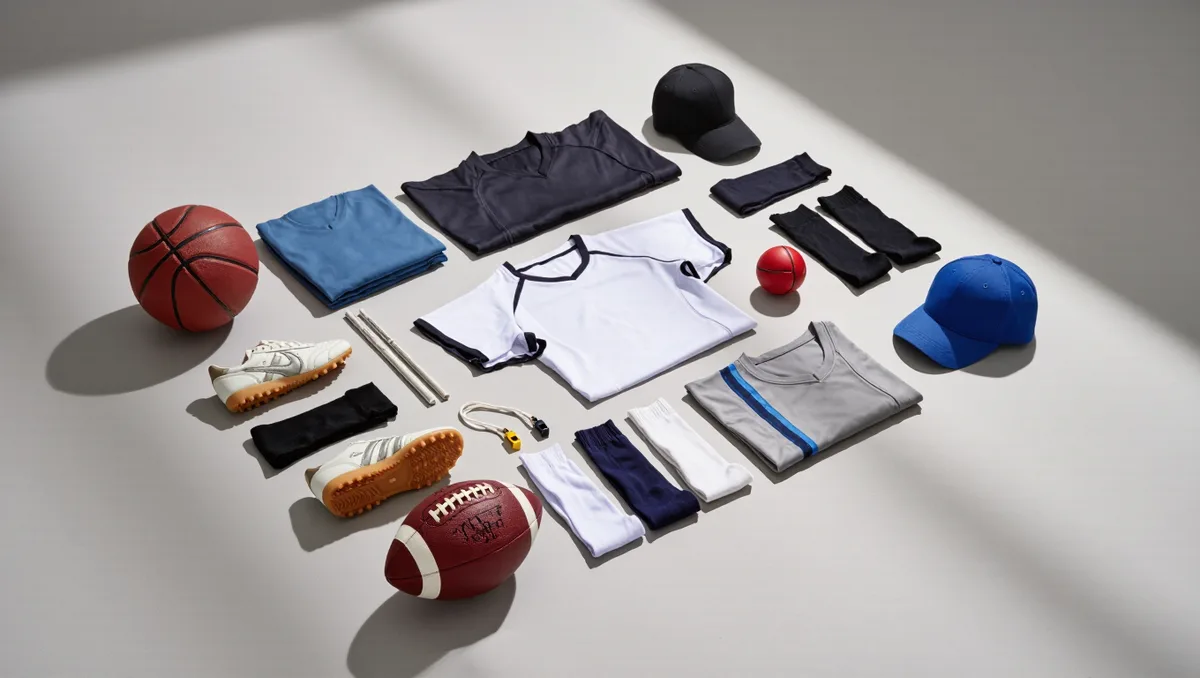
Team kit design has fed everyday dress for decades. The pipeline is structural, and it repeats for reasons forecasters can actually track.
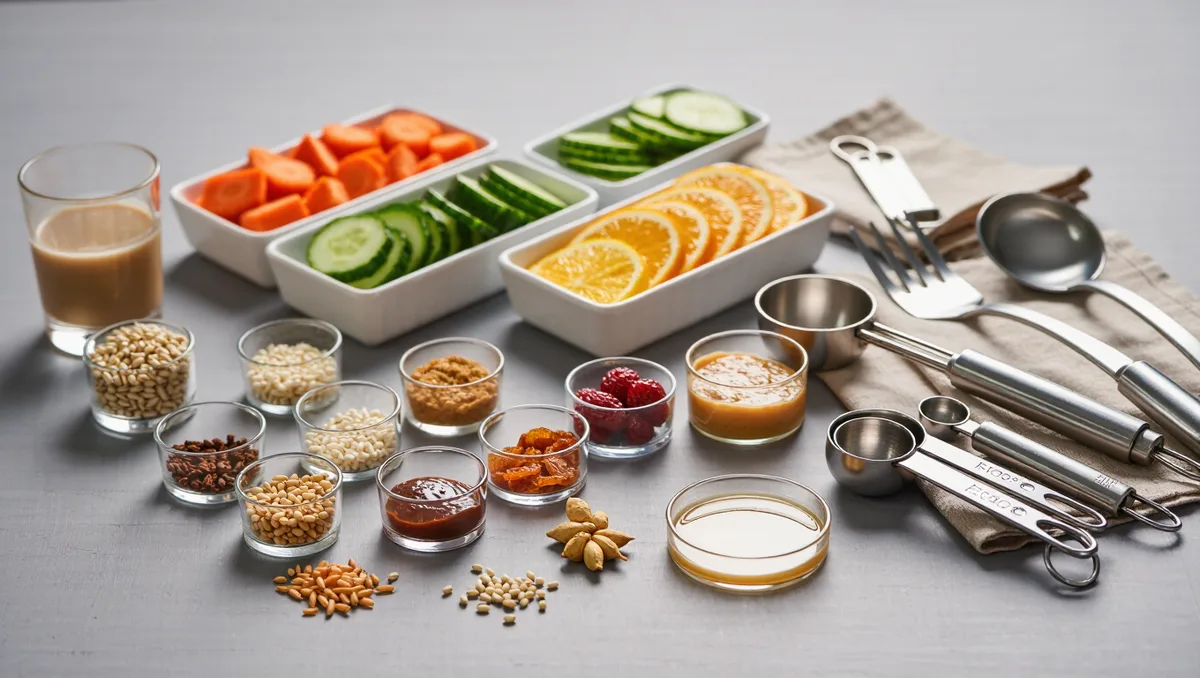
The same pipeline that moves a color from runway to rack now moves a flavor from a restaurant counter to the supermarket shelf — faster, and with less staying power.