Chikankari is the intricate embroidery tradition of Lucknow, and according to Hindustan Times, it belongs in a festive wardrobe that leans toward understated elegance rather than heavy embellishment. The craft can make even a simple kurti feel special, while breathable fabrics such as cotton and muslin keep the look comfortable for daytime celebrations, family gatherings and festive lunches.
The practical question is not whether to buy one but which one. A recent HT Shop Now edit rounded up ten Chikankari kurtis, and read together they form a useful map of the choices on offer: fabric, silhouette and how dressed-up the final look is meant to feel. This guide turns that edit into lasting buying principles, the kind that hold after the festive season passes. For readers tracking how such crafts move through the wider style cycle, the site's forecasting coverage follows the same logic of signals over hype.
What is Chikankari, and why does it read as understated?
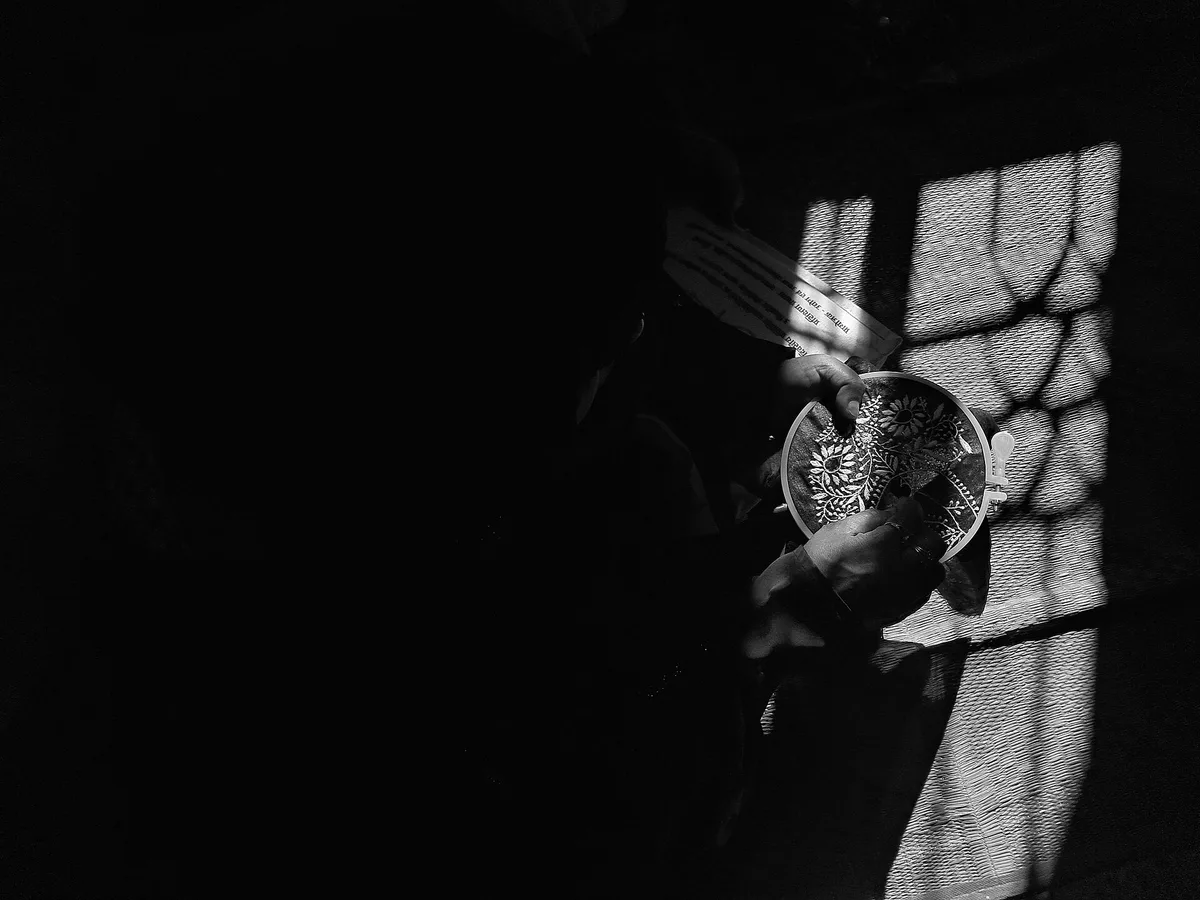
Chikankari is Lucknowi embroidery, worked as delicate hand needlework rather than sequins, mirrors or dense beadwork. The Hindustan Times edit describes it as intricate but quiet: floral and geometric thread patterns that refine a simple silhouette instead of overwhelming it. That is the whole appeal for festive dressing that does not want to look overtly festive.
The effect depends on restraint. Because the decoration is the threadwork itself, the base fabric and cut carry most of the visual weight. A plain muslin kurti with fine embroidery reads as effortful but effortless at once, which is precisely the register the craft occupies in the HT edit's framing. Heavy embellishment announces an occasion; Chikankari suggests one.
The named techniques worth knowing
One kurti in the edit stands out for its traditional Murri and Zanzeera embroidery techniques, paired with the softer drape of viscose rayon. Those technique names are worth registering when you shop, because they signal hand-worked detail rather than a printed imitation of it. The edit credits that combination with providing visual interest while the fluid drape gives a more polished route to festive dressing, all without relying on heavy embellishment. Readers following this should also see Denim Ruled New York Fashion Week's Sidelines, and That Is the Signal.
Which fabric should you choose?
The edit's ten picks cluster around three fabric families, and each solves a different problem. Use the fabric, not the occasion, as your first filter.
- Muslin. The Ada kurti highlighted in the edit uses muslin that feels lightweight and breathable, suited to warm-weather festive occasions where you want traditional detailing without a heavily embellished outfit.
- Cotton. A classic white or light-toned cotton Chikankari kurti keeps the focus on traditional hand embroidery while staying practical for warmer days. Cotton also carries the craft's most timeless register, the version that outlives a single season.
- Rayon and viscose rayon. The Sidhidata kurti takes an understated approach with rayon construction and an embroidered neckline, while the viscose rayon piece above trades on a softer, more dressed-up drape. Rayon reads as the fluid, slightly dressier option of the three.
One further cotton variant appears in the Seva Chikan short kurti, cut from terivoil cotton. The edit describes it as lightweight and breathable, with hand embroidery giving it the artisanal character expected from the craft.
Which silhouette fits which occasion?
The edit's second axis is silhouette, and it maps cleanly onto how traditional or how Western the rest of the outfit will be. Three shapes cover most of the ground.
- The classic long kurti. The timeless white or light-toned cotton style is the repeat-wear candidate: the edit notes it can be worn well beyond one festive season, styled with churidar leggings, embroidered juttis and a lightweight dupatta.
- The short kurti. The Seva Chikan piece brings a contemporary spin to traditional Lucknowi Chikankari, and its shorter silhouette makes it easy to wear with pieces already sitting in a Western wardrobe. The edit suggests blue denim, leather flats and oxidised earrings for an Indo-western look, and calls it an easier entry point if a full ethnic outfit feels too traditional for your personal style.
- The modern V-neck. A V-neck and shorter silhouette give one kurti a distinctly modern feel, with floral threadwork adding texture without looking overly ornate. The edit places it at casual festive plans, lunches or everyday ethnic dressing, styled with straight or skinny jeans, block heels and a compact sling bag.
Between those poles sits the Sidhidata rayon kurti, whose relatively minimal design makes it practical for occasions that sit somewhere between workwear and ethnic dressing, styled with straight trousers, kolhapuri sandals and a structured tote.
How do you style Chikankari up or down?
The edit's own rule is the most transferable advice in it: choose a silhouette and fabric that fit the occasion, then let your jewellery, footwear and accessories decide how dressed-up the final look feels. The styling pairings it proposes show the range.
- Dressed up: white palazzos, silver jhumkas and embroidered juttis with the Ada muslin kurti.
- Dressed down: blue denim, leather flats and oxidised earrings with the short Seva Chikan kurti.
- In between: straight trousers, kolhapuri sandals and a structured tote with the understated rayon piece.
- Polished festive: flowing palazzos with the viscose rayon kurti in Murri and Zanzeera work.
The pattern is consistent. Chikankari supplies the texture; the accessories set the register. That makes it one of the few festive buys that can be re-worn across very different kinds of days without reading as the same outfit.
What makes a Chikankari kurti a lasting buy rather than a one-season one?
The edit draws the distinction itself. Unlike trend-led festive pieces, a classic Chikankari silhouette can be worn well beyond one festive season, and the classic white or light-toned cotton style is described as the kind of kurti that can become a repeat-wear piece rather than a one-occasion purchase. That is the test to apply to any pick: favor the classic silhouette in a breathable fabric over a heavily styled seasonal variant, and treat the contemporary short shapes as the entry points for wardrobes that lean Western.
The craft's durability as a trend signal is a separate question from a garment's durability in a wardrobe, and the two do not always move together. Coverage of how craft traditions register in the wider style conversation sits in the site's culture section, while fast signals as they register, from search spikes to sellouts, live in trends news. What the evidence here establishes is narrower and more useful: a well-chosen Chikankari kurti, in muslin, cotton or rayon, in a silhouette matched to how you actually dress, is positioned by the craft's own logic to be worn long after the festive lunches it was bought for. What remains unknown is which specific silhouettes retailers will push next season, and that is a question for the next round of edits, not this one. We covered a connected angle in The Met Gala Put Menswear First, and the Tailoring Signal Travelled Fast.