Protest dressing becomes a uniform when a movement's improvised clothing choice is repeated, photographed and copied until the garment itself communicates the cause: white dresses for the American suffragists of the 1913 Washington procession, black berets and leather jackets for the Black Panthers from 1966, pink knitted hats for the 2017 Women's March. The sequence is consistent across a century of documented cases. What begins as one organizer's practical decision ends as a dress code strangers can read from across a square.
What Turns A Clothing Choice Into A Uniform?
Three conditions, visible in every documented case. First, legibility: the garment must be visible at distance and in photographs, which is why suffragists chose white — clean, distinct against crowded streets, and flattering to the era's newsprint. Second, replicability: a knitted hat, a black beret, a white blouse are cheap and ungendered enough that anyone can join by dressing. Third, repetition with a date: uniforms harden around scheduled events, because the 1913 procession, the 2017 march and each successive rally give thousands of participants the same instructions on the same day. Where any condition fails — a garment too costly, too subtle, too scattered — the movement's clothing stays a gesture and never becomes a code.
Which Documented Cases Show The Pattern?
- Suffragist white, 1908–1920. The British WSPU adopted white, purple and green in 1908, and the 1913 Washington suffrage procession put thousands of women in white, fixing the color's association so firmly that white remained the go-to garment for later women's-rights actions, including congressional appearances into the 2020s.
- Khadi cloth, India, 1920s. Gandhi turned homespun cloth into a uniform of independence by wearing it daily and urging a nation to do the same — a case where the garment was the argument: economic self-rule woven, not declared.
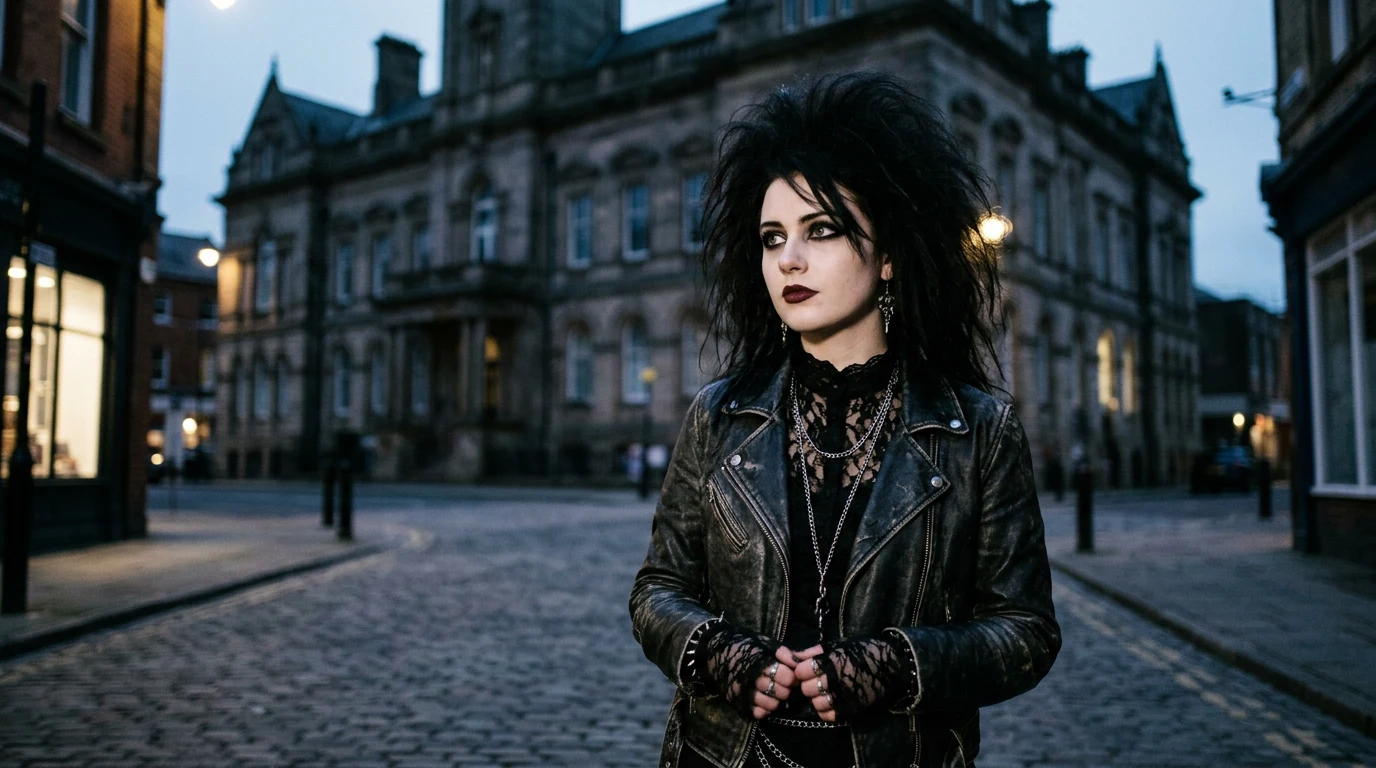
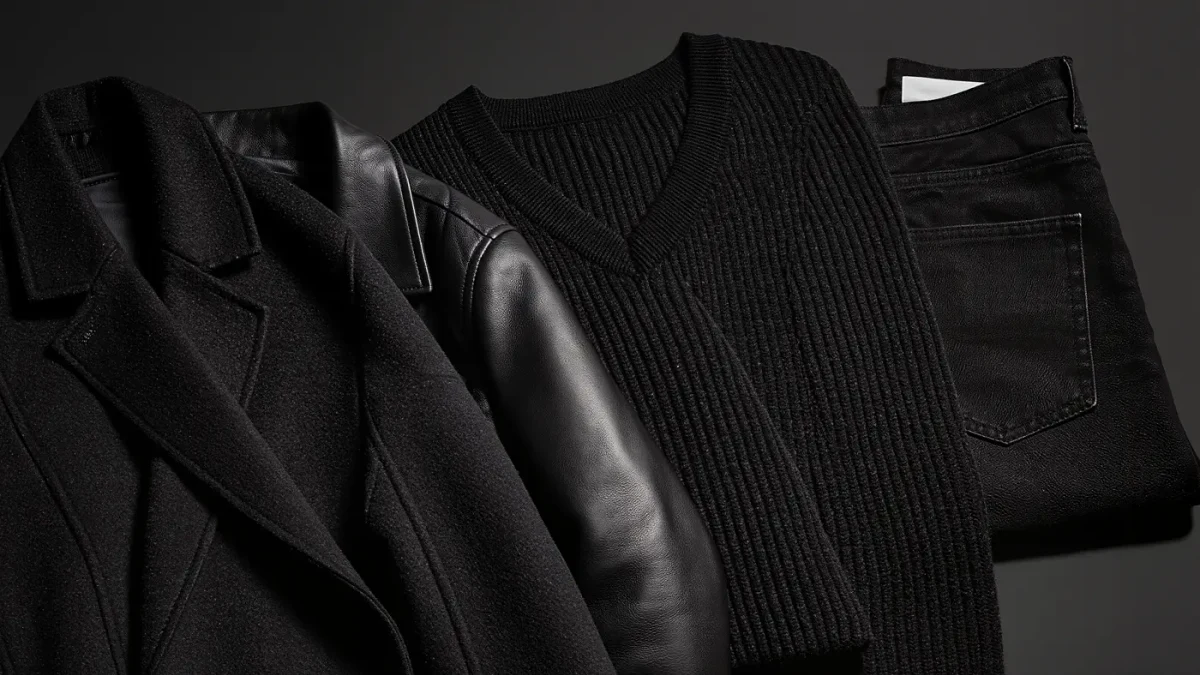
- Black Panthers, 1966 onward. Black berets, leather jackets and blue shirts created one of the century's most readable uniforms, replicated far beyond the organization's membership and cited in civil-rights dressing for decades after.
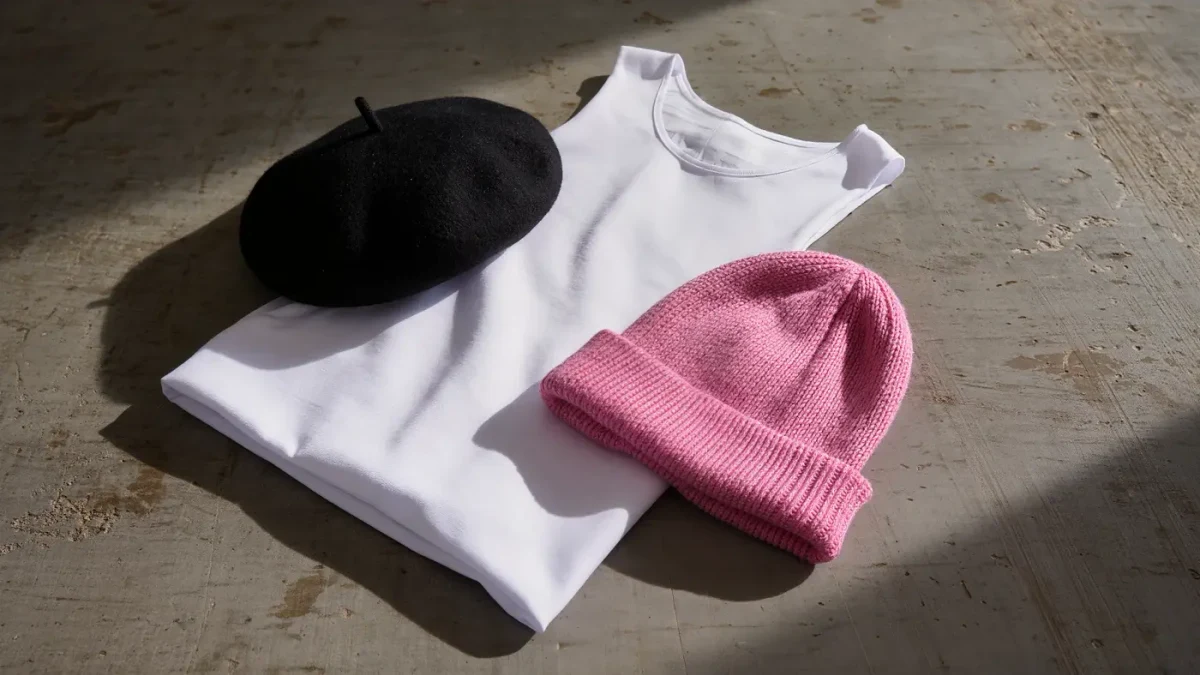
- The Pussyhat Project, 2017. A knitting pattern released online before the January 2017 Women's March produced thousands of pink hats — a distributed uniform manufactured by the marchers themselves, and one of the fastest garment-to-symbol conversions on record.
- Handmaid's cloaks, 2017–2022. Red cloaks and white bonnets drawn from the 1985 Margaret Atwood novel and its 2017 television adaptation were worn at US statehouse hearings, showing how fiction now supplies protest wardrobes pre-loaded with recognition.
Why Do Movements Need Uniforms At All?
Because photographs are the medium and uniformity is the message. A square of identically dressed demonstrators reads in a single image as discipline and scale, which is precisely what coverage amplifies. The uniform also lowers the cost of joining: participants who cannot make a sign can still wear the code, and belonging becomes visible to fellow marchers as well as to cameras. Historians of visual protest note the trade-off, too — a uniform identifies participants to opponents as clearly as to allies, which is why some movements rotate codes rather than fix them.
What Makes One Protest Garment Outlast Another?
Durability of both cloth and cause. Uniforms anchored to ongoing struggles — khadi in a independence campaign that lasted decades, or the green scarf as legal fights moved country to country — refreshed themselves with each new rally, while uniforms tied to a single event faded with the news cycle. Fabric matters too: knitted and sewn pieces survive as heirlooms and vintage stock, which is why museum examples exist to be re-exhibited, whereas painted signs and printed sashes rarely last a decade. The longest-lived protest garments are the ones ordinary enough to be worn again after the march — a beret, a white dress — because a uniform that can pass as everyday clothing keeps its symbol circulating long after the square has emptied.
What Happens To A Uniform After The Movement Ends?
It moves into the archive and, eventually, the marketplace. Garments from documented movements — suffrage sashes, Panther-era berets and jackets — sit in museum collections including the Victoria and Albert Museum and the Metropolitan Museum of Art, catalogued as design history, and examples surface on the vintage market at prices the original wearers never paid. The Pussyhat entered design collections after 2017 as a case study in distributed craft. The afterlife follows a set path: symbol, artifact, reference, product — with each stage stripping a little urgency and adding a little style, until the garment returns to retail fully domesticated, its political origin now a selling story.
Do Uniforms Still Work In The Platform Era?
Differently, and often faster. A code can now be distributed as a pattern, a hashtag or a color rather than a garment — Latin American abortion-rights campaigns standardized the green scarf from 2018 onward, and the color jumped borders and causes within two years, a spread documented across news photography from Buenos Aires to Washington. The platform era also fragments uniforms: with no single broadcast image to paint for, movements run several codes at once and rotate them as coverage saturates. The constant across a century of cases is legibility — whether sash, beret or color, the successful protest garment is the one a camera can read before a caption explains it.
How Does Fashion Absorb The Protest Uniform?
Slowly, then wholesale. Military surplus, workwear and berets all migrated from political dressing into mainstream wardrobes within a decade of their iconic use, and trade press routinely traces runway citations of protest-era dressing — the surplus jacket, the slogan tee popularized after the late 1960s and commercialized by the 1980s. Forecasters treat the protest uniform as a durable source code: it is designed for maximum legibility, tested on the world's largest stage, and carrying a story retail can retell. The wardrobe's most charged garments — the ones that signal rather than merely cover — usually began as someone's decision about what a crowd should wear.