Fashion News covers the money attached to prediction: inventory commitments, markdown rates, canceled orders, forecasting contracts and the cost of reading a season badly. Reporting uses retail results and industry figures. Meant for readers who answer for a buying decision made a year in advance.
Chloé Malle's ascent to head of editorial content at American Vogue closed the industry's longest-running era and set the template every fashion desk now copies: editors as platform builders.
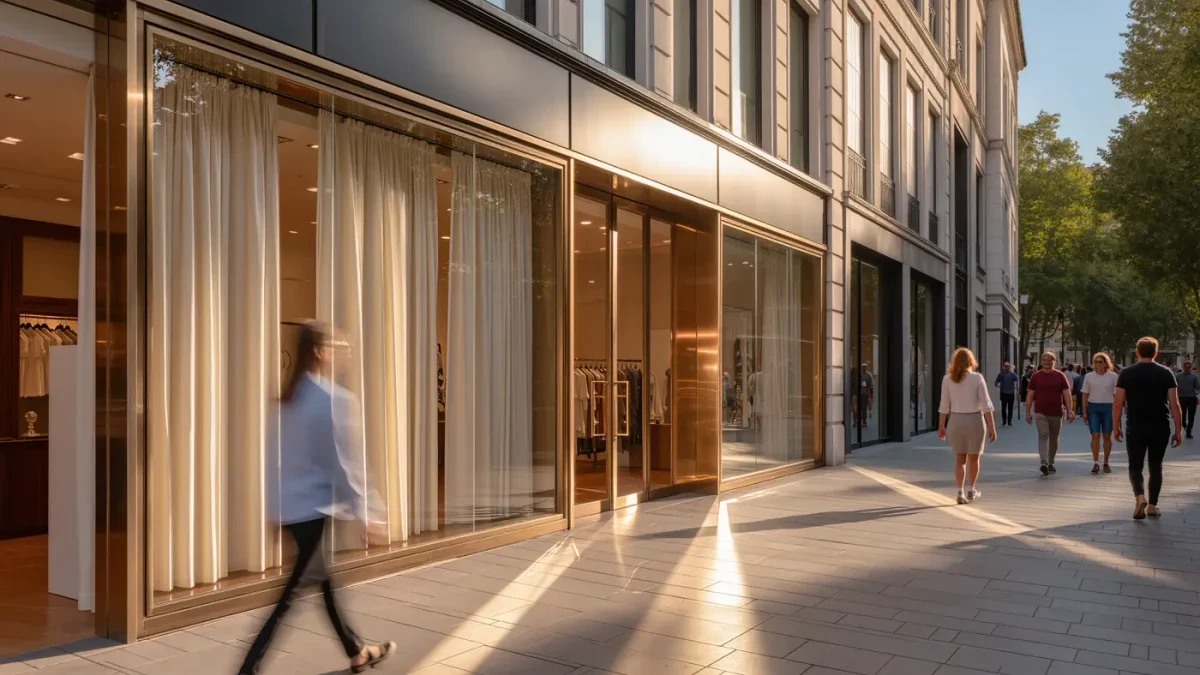
Issey Miyake opened on Madison Avenue in May, Alo is planting sanctuaries on the Riviera, and the death of the big store — predicted for a decade — has been formally cancelled.
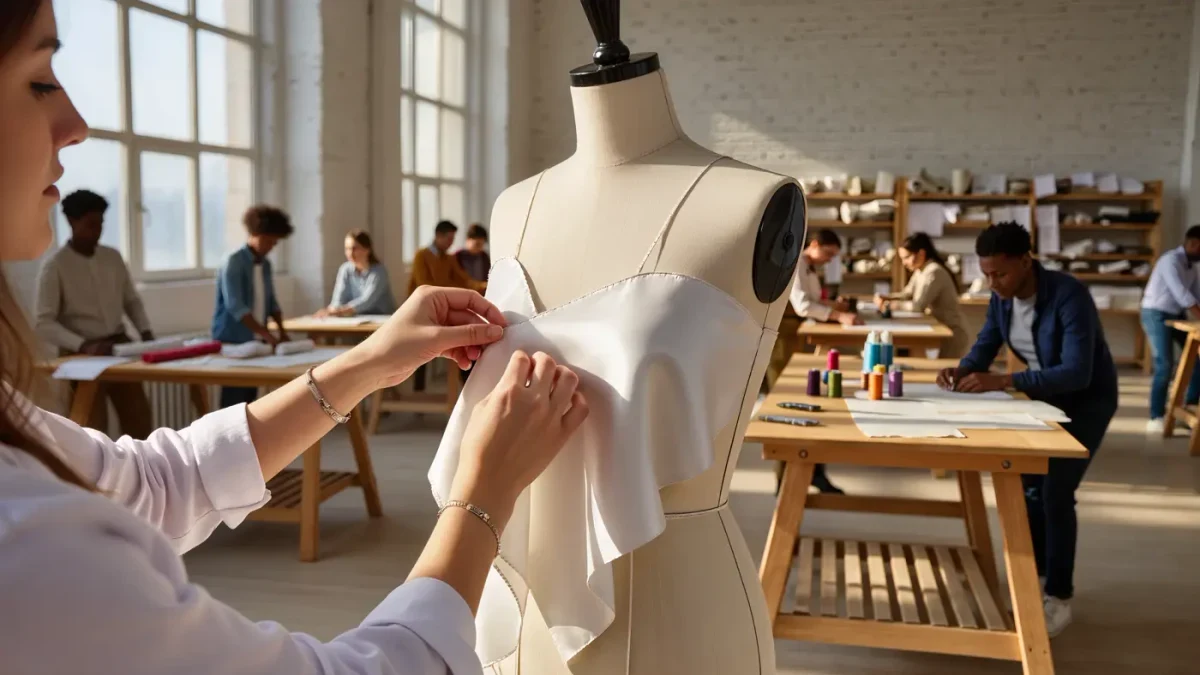
Stripped of the launch-event language, generative tools in 2026 cluster in three working jobs — variation, visualization and inventory — and the atelier's core decisions remain human.
Drew Henry takes Courrèges in May, Meryll Rogge waits on her Marni debut, and the season's last open seats fill without fanfare — the sign of a market cooling from frenzy to fit.
Hermès grew six percent on constant exchange rates while Kering slid six percent and LVMH managed one percent organic — and the Middle East conflict, not taste, decided the quarter's spread.
With secondhand forecast to grow two to three times faster than first-hand fashion through 2027, brands are signing platform partnerships — and discovering the data matters more than the margin.