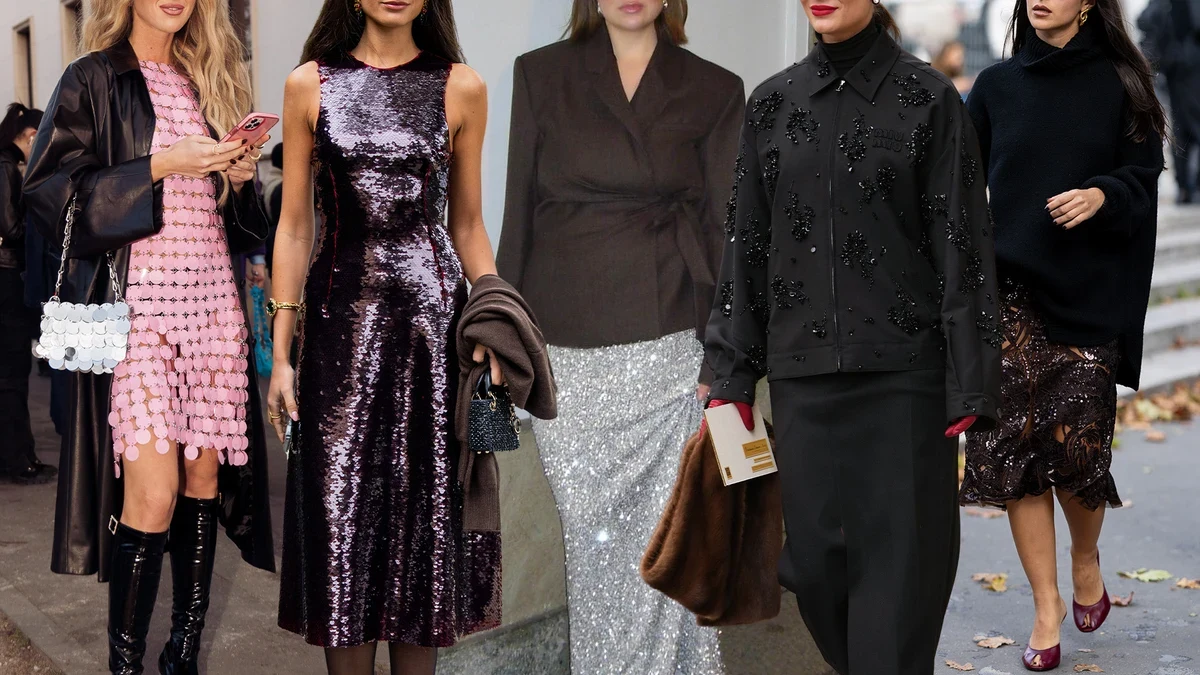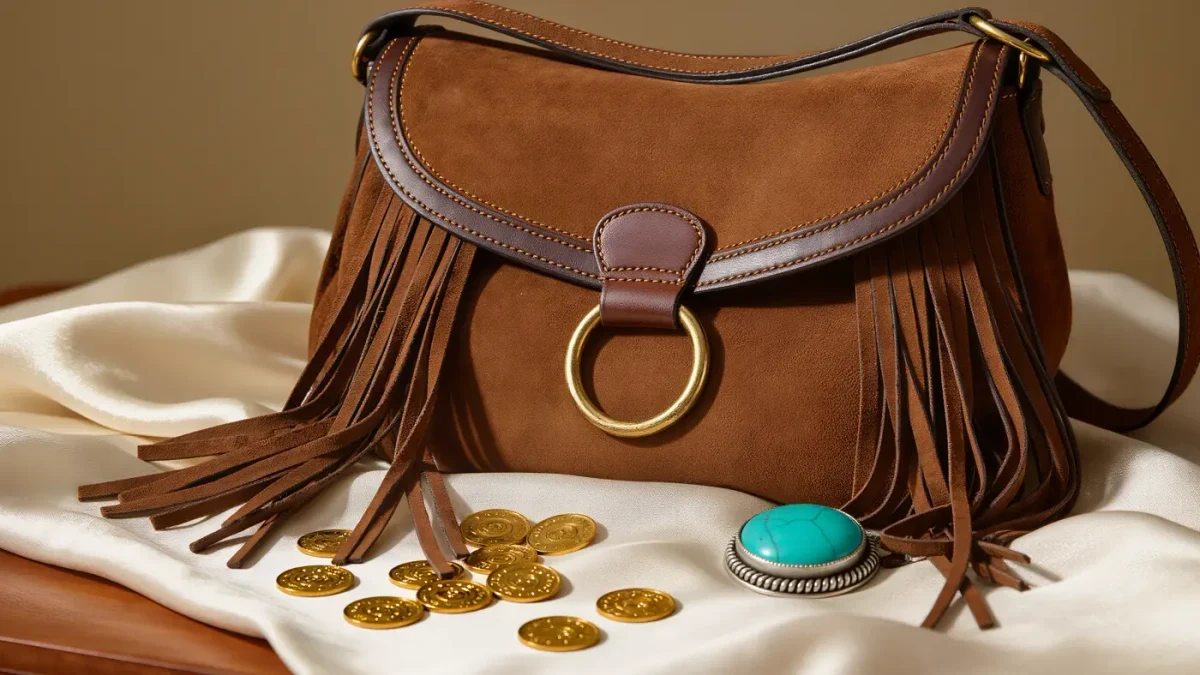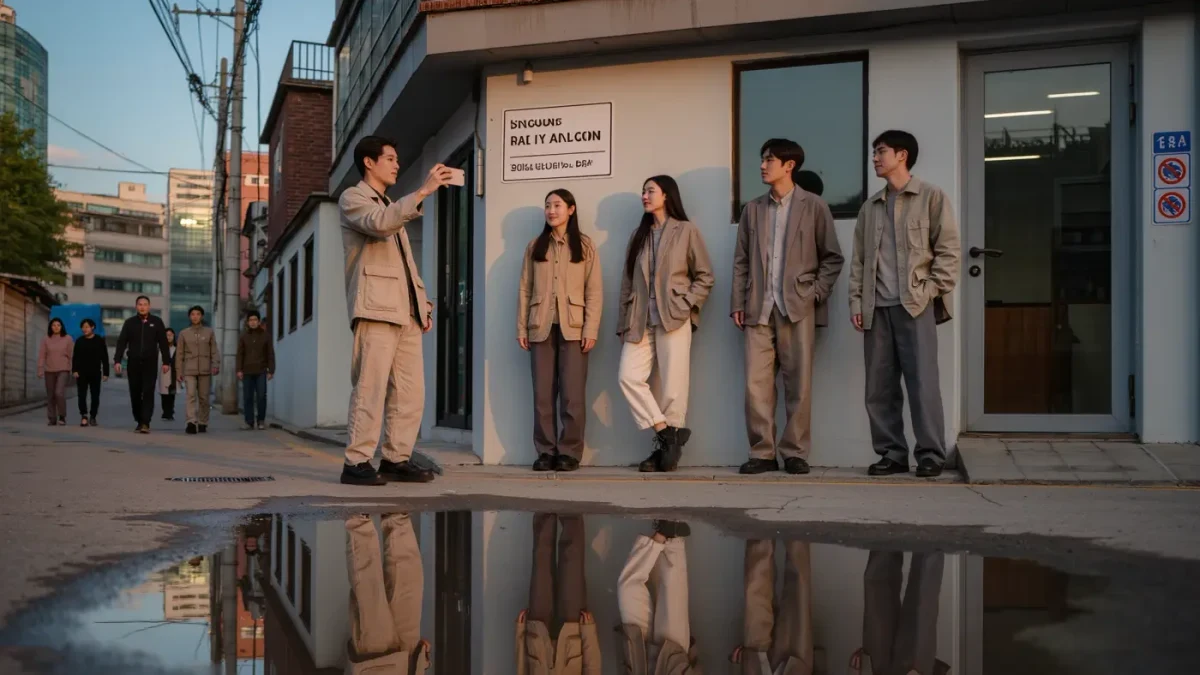
A weak signal is the small, marginal behavior a forecaster notices years before it has a name, a market, or a hashtag, and WGSN — the trend forecasting company founded in 1998 and now part of the information business Ascential — has built its methodology around catching those signals early. Its analysts work on staggered horizons: next-season product direction, one-to-two-year consumer shifts, and long-range scenarios that run three to five years out, per the company's published methodology notes.
The discipline matters because fashion's production calendar is unforgiving. A palette, a fabric order, and a silhouette are locked roughly two seasons before a garment reaches a rail, which means the decisions that shape a wardrobe in 2027 are being made in meeting rooms now, on the strength of evidence most consumers have never seen.
What exactly counts as a weak signal?
In WGSN's framing, a weak signal is a change that is already observable but not yet statistically important: a nightlife scene adopting a uniform, an online community developing its own visual language, a spike in secondhand repair queries, a philosophy paper crossing over into design school conversations. Strong signals are the ones trade shows, sales data, and runway coverage already report. Weak signals sit further upstream, in the places where behavior changes before commerce does.
The company's analysts describe their work as triangulation across culture: street observation, youth research, gaming and digital communities, science and technology headlines, retail and runway analysis. None of those inputs alone is decisive. The method is to watch for the same underlying mood or need surfacing in several unrelated places at once — a pattern WGSN's long-range reports have historically treated as evidence that a niche is becoming a movement.
How does a signal become a forecast?
WGSN's published process runs, broadly, in three moves. First, aggregation: analysts collect signals continuously rather than seasonally, from cities and platforms and fairs. Second, interpretation: signals are clustered into themes and tested against the company's longer-term consumer and macro frameworks — its published Future Pipelines and Driver frameworks ask which values, technologies, and economic conditions would make a cluster durable. Third, translation: durable clusters are converted into named trends, color directions, and product-specific recommendations that brands can buy and act on.
The naming is the visible part. By the time a trend carries a capital-letter name and a season tag in a WGSN report — named for spring 2027, say, or autumn 2027 — the underlying signal may be five or more years old. The report does not create the movement; it formalizes it, attaches confidence levels, and tells subscribers what it would mean for denim, for cosmetics, for hospitality.
Why don't the signals reach the public sooner?
Partly because raw signals are noisy, and partly because the business model charges for the interpretation. A single TikTok aesthetic can rise and vanish inside a quarter; a weak signal worth a five-year forecast must survive contact with economics — can it be manufactured at scale, priced for a target consumer, shipped within a carbon-constrained supply chain. WGSN's commercial value, as its subscribers see it, lies in filtering: thousands of observations reduced to a short list of shifts the company judges durable enough to plan around.
Timing is the other filter. Announce too early and a brand's product arrives before the culture supports it; too late and the forecast merely describes what shoppers already own. The company's two-seasons-out cadence — most visible in the color of the year program it runs jointly with Coloro, a partnership Ascential announced in 2021 — is calibrated to that window.
Where do analysts actually look?
The standard inputs are broader than fashion. WGSN's analysts and its published trend briefings routinely draw on nightlife and music scenes, gaming and virtual worlds, street food and hospitality, science and climate reporting, activism, and the consumer behavior of teenagers — the demographic the company has long treated as a leading indicator. Independent design schools and trade fairs feed the same pipeline. The point is not to copy what any of these subcultures wear, but to read why they wear it: comfort, protection, status signaling, protest, belonging. A garment is treated as evidence of a value shift, and the value shift is what gets forecast.
This is why forecasters talk about moods rather than items. A subculture's styling choices may never travel; the underlying need they express often does. When WGSN's long-range reports named restorative comfort, indoor living, or repair culture as growth directions in past cycles, the commercial expressions differed by category, but the forecast was about the need itself.
How reliable is the method?
It depends on the horizon. Short-range product forecasts compete against visible retail data and are judged quickly; long-range scenarios are judged years later, and the record is mixed in both directions, as it is for every forecasting firm. WGSN's defenders point to calls that aged well — the mainstreaming of sustainability, wellness, and digital-first retail all appeared in its long-range work years before they became clichés. Skeptics note that forecasting firms publish selectively and rarely grade themselves in public.
The honest description is that a weak-signal method improves odds rather than guarantees outcomes. It cannot predict a pandemic or a viral sound. What it can do, and what WGSN sells, is a disciplined early view of how values are drifting — early enough that a two-year production cycle can still change course. For the brands that treat forecasts as one input among several, that discipline is the entire point: the signal is only useful if someone is still free to act on it.