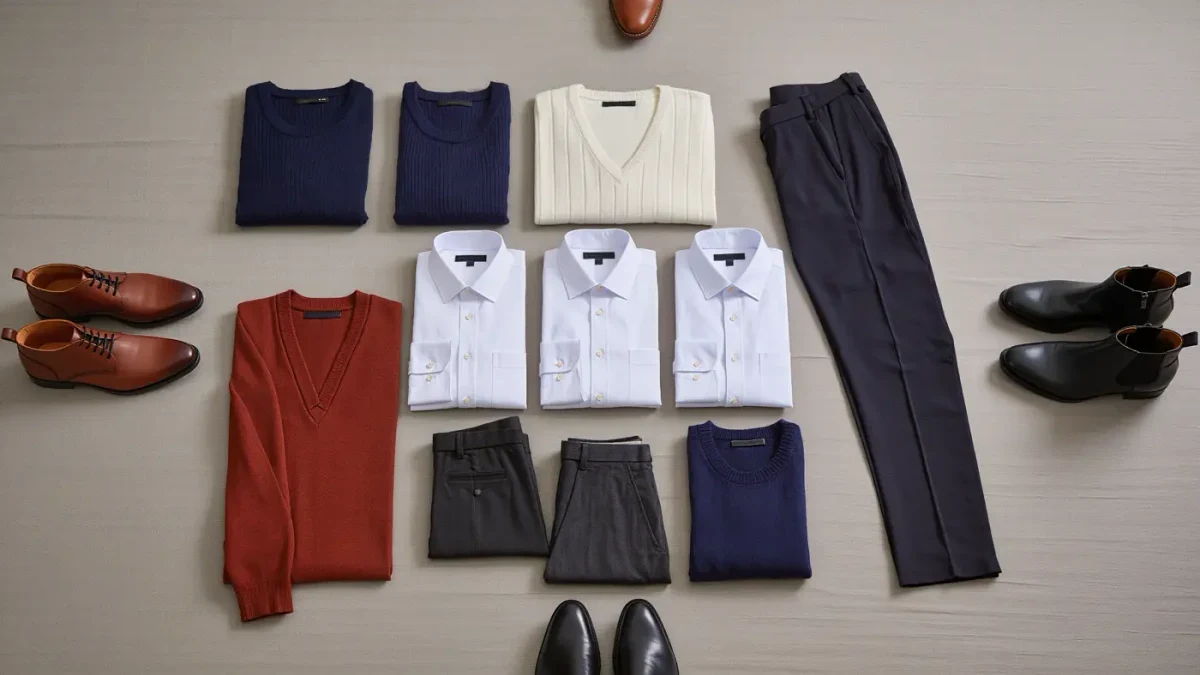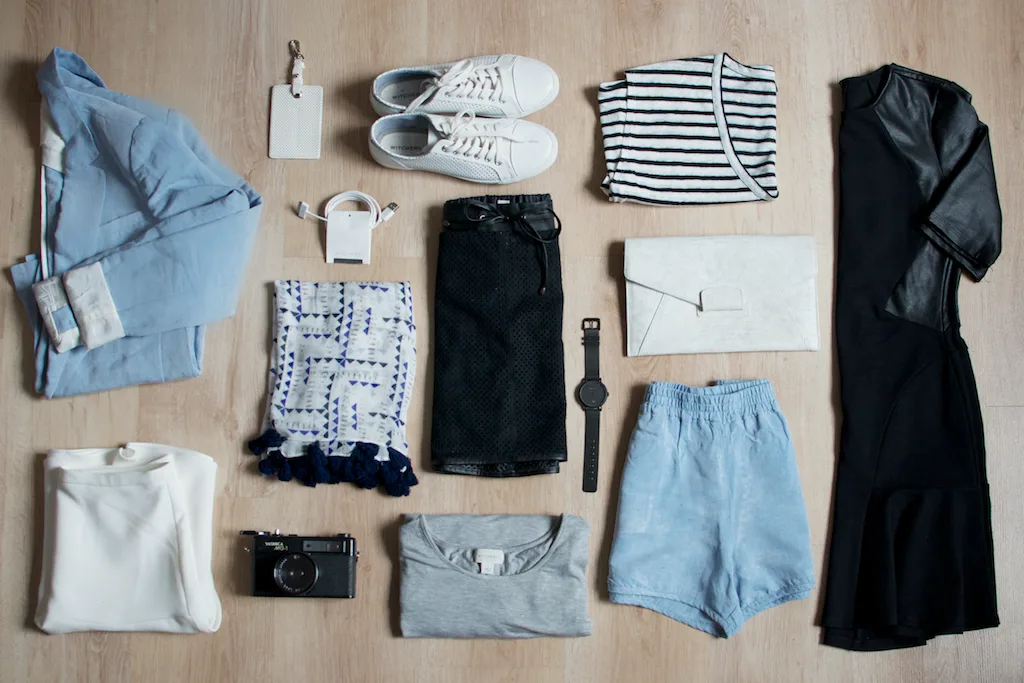
Building a wardrobe around a forecast means translating a season's named directions — a palette, a silhouette family, a fabric mood — into a fixed list of pieces you will actually wear, before any money is spent. The method is simple: read the forecast, extract three to five signals that fit your existing clothes, and buy only what closes a documented gap. A forecast is not a shopping list; it is a filter for one, and the dressers who use it that way end the season with more outfits and fewer regrets.
What Does A Forecast Actually Tell A Dresser?
Consumer-facing forecasts from agencies such as WGSN and color institutions like the Pantone Color Institute publish, at minimum, three usable signals: a palette of named shades, a set of silhouette or styling directions, and a fabric or texture mood. As of late 2025, for example, forecast commentary for 2026 pointed toward warmer, grounded palettes and softer tailoring — but the specific content matters less than the structure. Each signal answers one wardrobe question: which colors, which shapes, which materials. A dresser who extracts all three can audit a closet in a single afternoon; a dresser who reads the same forecast as a mood board will buy nothing that coordinates with anything.
How Do You Audit A Closet Against A Season?
Lay the forecast palette beside what you own and sort ruthlessly into three piles:
- Already aligned. Pieces in the season's color family or silhouette language. These get worn first — the forecast costs you nothing.
- Bridgeable. Pieces one accessory away from the direction: a neutral coat that carries a new palette, plain trousers that accept a trending shirt. Bridges are the highest-value purchases, and often the cheapest.
- Conflicted. Pieces from a finished trend that no longer combine with anything current. These are not failures; they are data about which microtrends you should not repeat.
The audit works best done once, on a single day, with the forecast physically present — printed page or swatch fan, not a scrolling feed, because the object of comparison is cloth, not imagery. Photograph the three piles when finished; the picture is a shopping permit that expires when the season does. Its real output is a written gap list — for instance, "one soft-shouldered coat in the season's neutral, nothing else." A gap list with more than five entries usually means the forecast was read too literally.
Which Forecast Signals Are Worth Acting On?
Color, then proportion, then everything else — in that order of durability. Color moves slowly: institutions refresh palettes annually, but a well-chosen shade stays wearable for three to five years, so buying into a season's family is low-risk. Proportion moves medium: a silhouette direction such as relaxed tailoring or a longer hemline typically runs two to three seasons before reversing, enough time to amortize a purchase. Item-level trends — a specific bag shape, a novelty knit — move fastest and are exactly where forecast-following dressers overspend. The working rule: commit budget down the list in reverse order of speed. Spend on the slow layer, sample the fast one, and let the middle layer be supplied by the coats and trousers already owned.
How Many Trend Pieces Does A Season Need?
Two or three, and not more, because a wardrobe reads as current when roughly a fifth of it moves — a share stylists have used for decades and forecasters still describe in roughly these terms. A soft-tailored coat, a shirt in the season's key shade, one current accessory: three moves that register in every outfit, because they combine with the sixty-plus neutral pieces already hanging there. Ten trend pieces, by contrast, form their own closet-within-a-closet that dates as a block. The count also enforces the deeper rule of forecast dressing: the forecast supplies accents, the base wardrobe supplies everything else, and the base must be bought on its own merits — fit, fabric, wear-rate — before any season's signals attach to it.
When Should You Ignore The Forecast Entirely?
When a direction contradicts your documented wearing record rather than your taste. Forecasters themselves frame their output as probability, not instruction: a palette or silhouette is described as gaining share, not as mandatory, and agency commentary consistently advises brands — and by extension dressers — to weigh directions against their own audience. The personal version of that advice is an honest log: if you have not worn wide trousers in the two years they circulated, a forecast extending the wide-trouser cycle is a reason to buy none. Ignoring a season is also a legitimate position; a neutral wardrobe in static colors survives any forecast, which is precisely why it makes a reliable base for the seasons you do choose to follow.
What Does A Forecast-Built Season Cost?
Less than an unguided one, and the accounting is straightforward. The audit typically activates pieces already owned — cost zero. The bridge layer — one or two accessories or layering pieces in the season's palette — is where modest spending concentrates. The gap list, capped at five items and weighted toward the slow layers of color and proportion, replaces the impulse purchases an unfiltered trend feed otherwise produces. Set the total before opening any forecast and the number holds; the discipline is the point. A forecast, used correctly, is a device for buying less and wearing it longer, and the dresser who treats it that way ends each season with a wardrobe that photographs as current and functions as permanent.