A trend is worth your money when three numbers clear at once: the direction has more than one season of documented runway behind it, the item will combine with at least a fifth of what you already own, and the cost per wear lands below the equivalent permanent piece before the trend's expected end. Anything less is entertainment priced as a wardrobe. The test takes ten minutes, and it is the same arithmetic a retail buyer applies before placing an order — which is fitting, because buyers are the only people who spend on trends professionally, and their losses are the reason the framework exists on paper.
What Signals Say A Trend Will Last?
Runway repetition, retail breadth and institutional adoption, in that order. A direction shown by multiple houses across two or more seasons has crossed from proposal into direction — the threshold trade press treats as meaningful. When it then appears across market levels, from premium to mass, demand is documented rather than staged. The strongest confirmation is institutional: a palette direction absorbed into the seasonal publications of bodies like the Pantone Color Institute, or a silhouette named in agency forecasts such as WGSN's, has been validated two years out, because that is how far ahead color and forecasting institutions work. None of this guarantees a trend; it prices the probability, which is all a purchase decision needs.
How Do You Calculate Cost Per Wear Honestly?
By estimating wears downward, not upward. The standard formula — price divided by expected wears — is only as good as its denominator, and buyers err optimistic. The honest method borrows from retail's own sell-through logic: assume the item is worn weekly for the trend's remaining expected life, halve that number for novelty decay, then divide. A 300-unit coat expected to last three seasons, halved twice, still lands below a unit per wear; a 100-unit novelty piece worn weekly for one season, halved once, lands near a unit per wear but leaves nothing behind. The comparison that matters is against the permanent alternative: if the same money in a seasonless piece beats the trend item's cost per wear, the trend must justify itself as pleasure — which is a legitimate budget line, priced honestly.
Which Trend Categories Justify Spending?
The ones that upgrade function while borrowing a trend's timing:
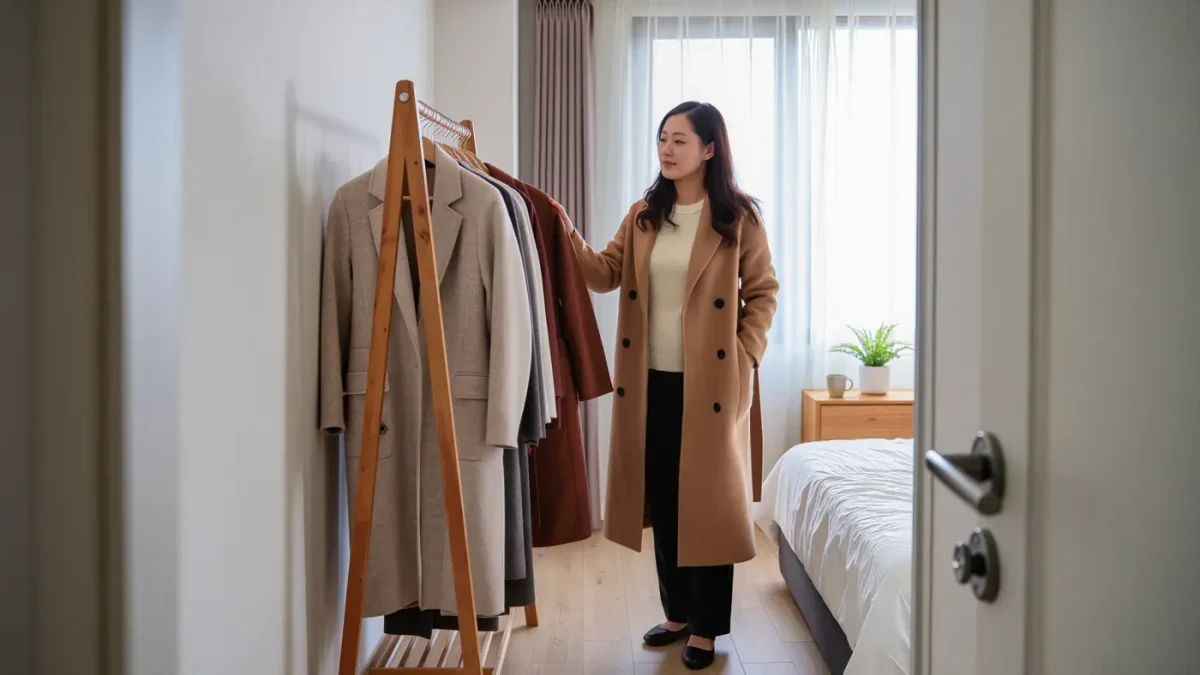
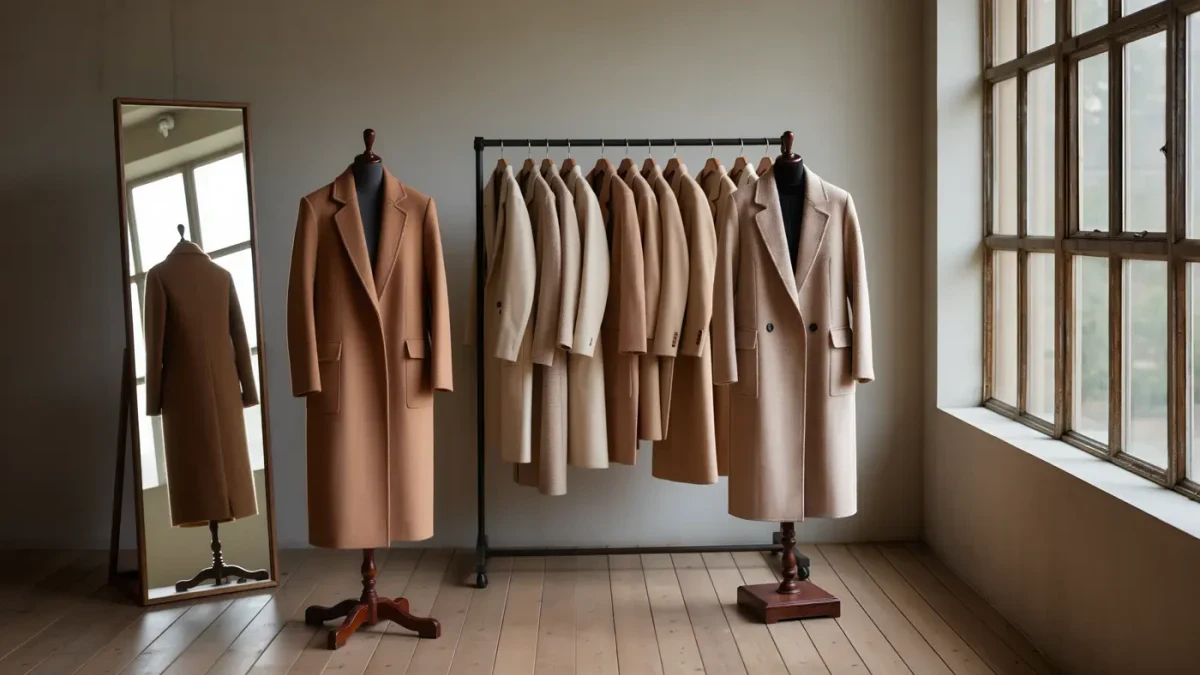
- Coats and outerwear in the season's silhouette. Outerwear carries the trend visibly and serves for years; a trend-cut coat keeps working after the trend ends.
- Knitwear and shirting in the season's palette. Color risk is low, since shades stay wearable three to five years; the fabric keeps its value after the shade stops signaling.
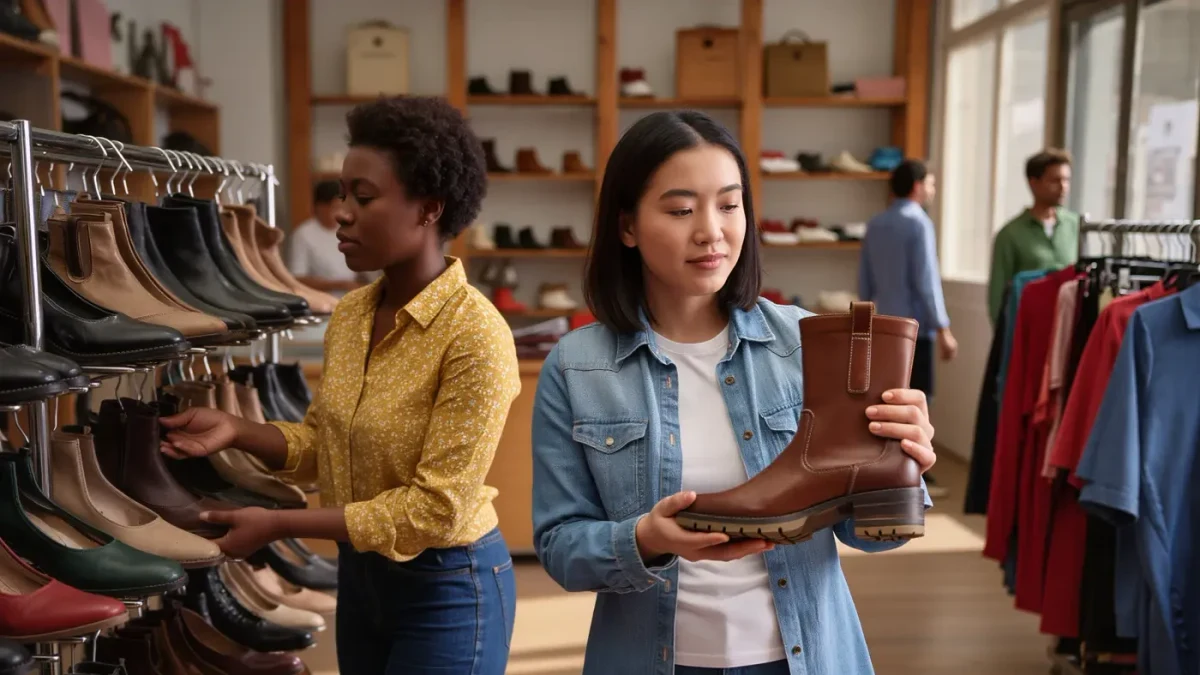
- Footwear only when comfort is unchanged. Shoes carry trends badly — they wear out on the trend's schedule, not the wardrobe's — unless the underlying last is a classic.
The inverse list is shorter: novelty bags, logo pieces and anything whose description requires the trend's name. These depreciate to zero by construction, because their entire content is the trend itself.
When Is The Right Moment To Buy?
After confirmation, before saturation — a window visible in ordinary signals. Confirmation is the two-season runway and cross-market adoption above; saturation announces itself as high-street copies everywhere, resale listings in volume and the item's styling fixed into a single recognizable formula. Trade and resale coverage through the mid-2020s documented the full cycle repeatedly: hyped items peaking within a season of visibility, then softening on resale platforms as volume arrived. The disciplined purchase sits between those poles — late enough that the direction is real, early enough that supply has not erased it. Buying before confirmation is speculation; buying at saturation is paying full price for a done trade. Timing, in other words, is not luck; it is reading the same curve twice and acting between the readings.
What Is The Trend Budget Rule?
A fixed small share of the clothing budget, ring-fenced in advance — a tenth to a fifth for most wardrobes — with the remainder committed to permanent pieces whose wear-rate is proven. The allocation does what no amount of taste can: it converts trend enthusiasm from a spending risk into a spending category. Within the ring-fence, rules soften — a joy purchase at the right moment is what the money is for. Outside it, the framework holds: permanent purchases are judged on fit, fabric and cost per wear, never on trend content. The structure also ends the argument with yourself at the till; the budget already decided, and it decided in calm conditions.
How Do You Know A Trend Purchase Failed?
The wardrobe answers within two seasons. A trend that earned its money migrates into rotation — the coat wears weekly, the knitwear combines forward into next year's palette, the purchase is quietly reclassified as a wardrobe piece. A failed one hangs tagged, or photographs well and wears badly, or requires the trend's original styling context to make sense at all. The audit is a one-line diary entry each season: worn how often, with what, and would it be bought again at that price. Buyers run the identical review against their orders, and their conclusion is the same one worth taking home: most trends fail, which is precisely why the ones that pass are worth underwriting carefully — and why the framework, not the impulse, should sign for the purchase.