Gaming skins push fashion collabs forward by letting brands test silhouettes, palettes and status codes on audiences of millions before a single physical sample is cut. The pipeline is documented, not hypothetical: Louis Vuitton's 2019 League of Legends capsule designed under Nicolas Ghesquière put a luxury house's wardrobe on in-game champions, Balenciaga dressed Fortnite characters in 2021, and Gucci sold a digital Dionysus bag in Roblox the same year. What began as a marketing gesture has become fashion's lowest-risk laboratory for new ideas.
What Exactly Is A Skin, And Why Do Brands Care?
A skin is a cosmetic item — an outfit, a weapon finish, a movement style — that changes how a player's character looks without changing how it performs. That sounds trivial until the economics are considered: skins are the largest revenue line in free-to-play gaming, purchased by hundreds of millions of players who have already internalized the core fashion transaction of paying for identity rather than function. For fashion houses, the audience overlap is the point. The players spending on Fortnite and Roblox cosmetics are the same demographic luxury reports describe as the next decade's customer base, and a skin costs a brand a design team rather than a production run.
Which Documented Cases Set The Pattern?
- Louis Vuitton x League of Legends, 2019. The house created real and digital capsules tied to the game's world championship, placing luxury design directly inside a title with tens of millions of daily players and marking the moment legacy fashion stopped treating games as a niche.
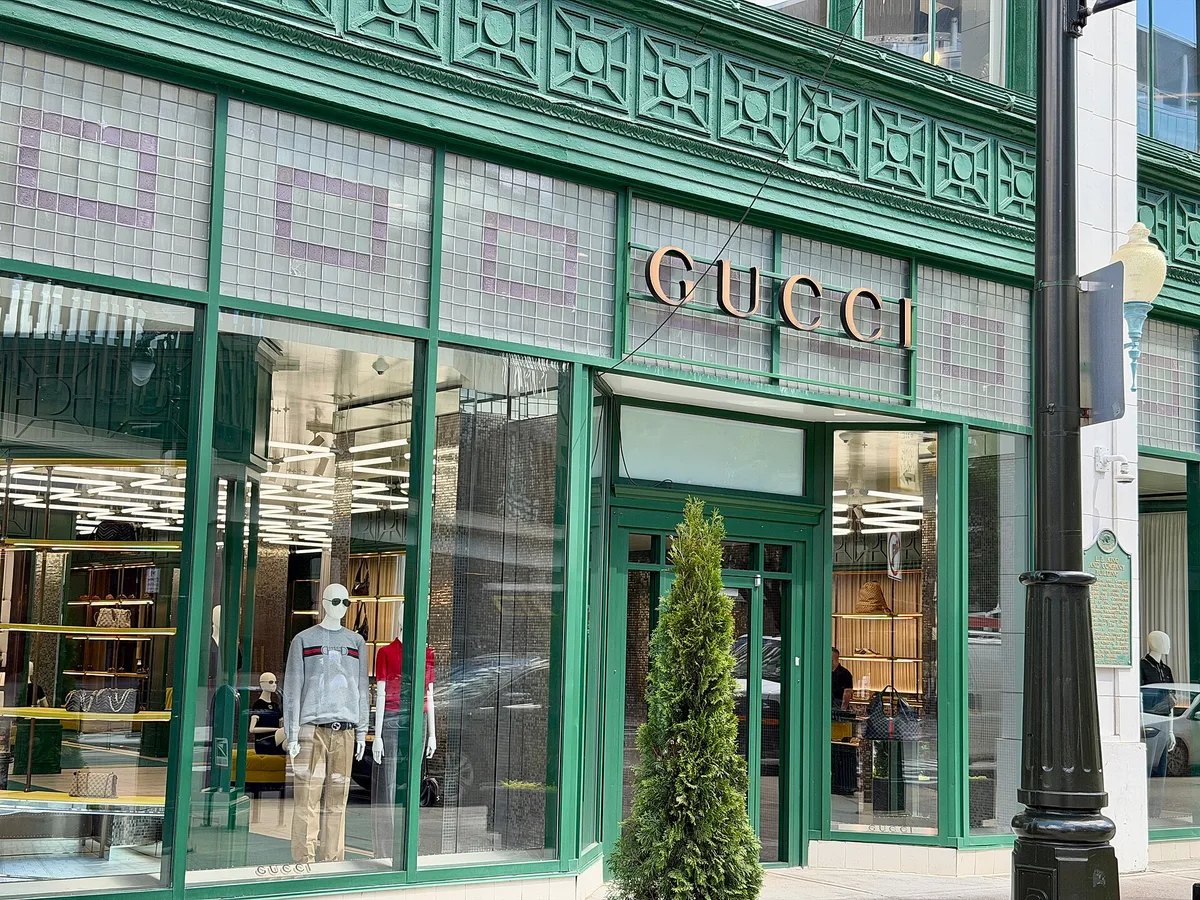
- Gucci x Roblox, 2021. A limited digital Dionysus bag resold inside Roblox for a reported sum exceeding the physical bag's retail price — a data point trade press cited for years as proof that digital scarcity carries real status value.
- Balenciaga x Fortnite, 2021. The collaboration ran both directions: game characters wore the collection while the runway show and storefronts carried the game, and the brand went on to launch an in-house division for digital clothing.
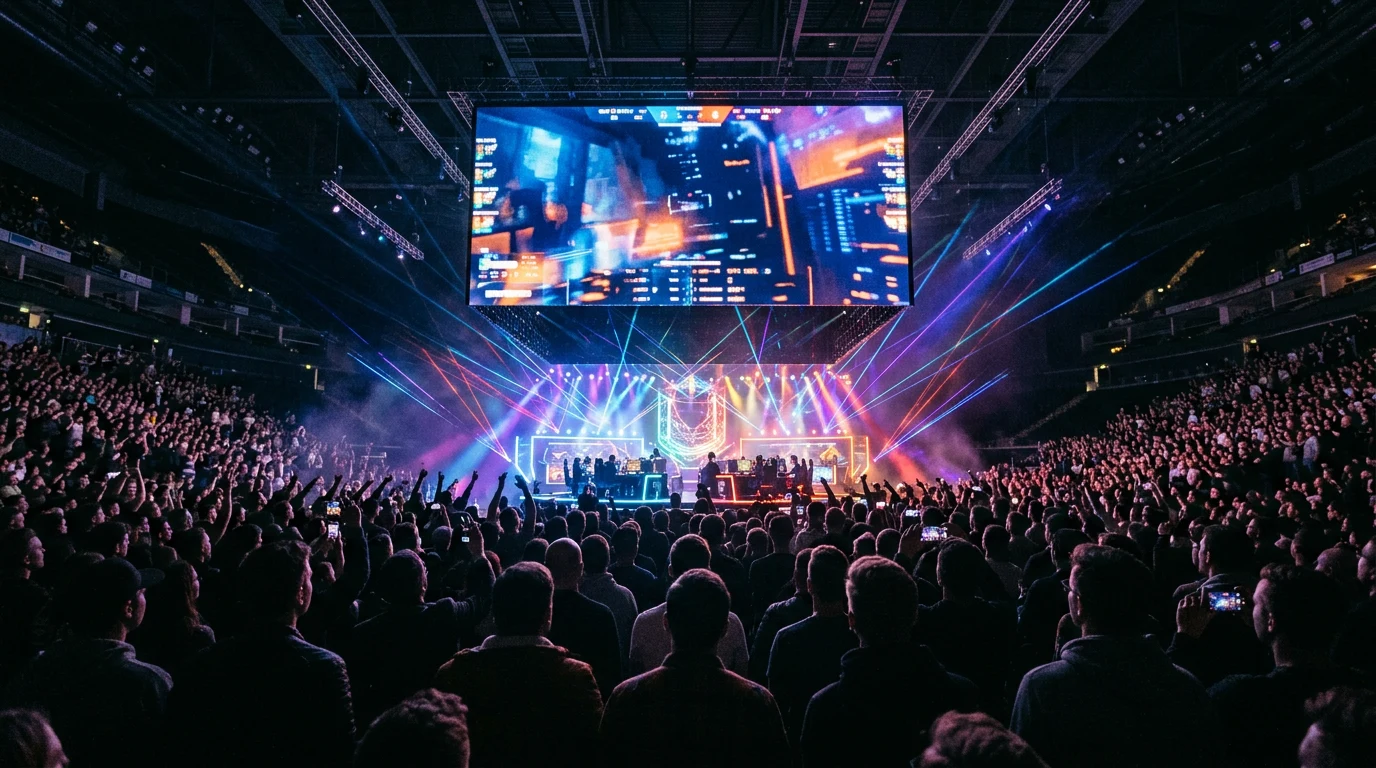
- Travis Scott's Fortnite concert, 2020. Attended live by more than twelve million concurrent players, the event demonstrated that a single in-game appearance could reach an audience no physical fashion show approaches, and every brand watching drew the same conclusion.
How Does A Skin Become A Physical Trend?
Through a loop that forecasters now track routinely. A digital item sells at scale, generating clean demand data — which colors, which silhouettes, which price points — unclouded by supply constraints. Successful skins graduate into physical capsules, as Balenciaga's Fortnite pieces did in stores in 2021, and the physical drop in turn feeds street visibility. Trend agencies including WGSN began covering gaming as a forecasting input in its own right in the early 2020s, on the argument that the aesthetic preferences of players — armor-like outerwear, technical fabrics, saturated neon — surface in games first because games ship faster than fashion does.
Why Do Games Test Trends Better Than Runways Do?
Because the feedback is instant, quantified and unforgiving. A runway look waits months for retail data and survives on editorial goodwill; a skin is judged by purchase within days of release, by an audience with no obligation to flatter anyone. That makes gaming an efficient filter for the aesthetics fashion wants to commercialize — the crossover outerwear and utility detailing that ran through the early 2020s were visible in game wardrobes seasons earlier. It also disciplines pricing: players have precise expectations of what a cosmetic item should cost, an instinct fashion imported when digital garments began selling on dedicated platforms.
What Do Brands Actually Learn From A Skin Drop?
Three things a runway cannot teach at speed: price tolerance, colorway pull and crossover appetite. A skin drop reports within days which shades and volumes players will pay for, at price points players have already calibrated, from an audience measured in millions of sessions rather than thousands of impressions. Platform worlds also function as brand playgrounds — Gucci's 2021 Roblox garden experiment drew millions of visits in its limited run, coverage documented, letting a house study how a younger public moves through its codes before committing a collection to them. The learning runs both ways: game studios read fashion's seasonal logic to keep their wardrobe economies fresh, which is why in-game stores now rotate collections with something close to a fashion calendar.
Who Builds The Garments In A Digital Wardrobe?
A new professional layer, documented since the late 2010s. Digital-only fashion houses emerged to make garments that exist solely as imagery or skins — Amsterdam's The Fabricant, founded in 2018, famously sold a bespoke digital dress at auction in 2019, and resale-and-rental platforms for digital garments followed. Game studios employ concept artists and 3D garment makers whose craft overlaps directly with fashion design, and several major collaborations were executed jointly between a house's ateliers and a studio's character teams. For forecasting purposes the distinction matters less each year: whether a garment is sewn or rendered, the decision about silhouette, palette and status it encodes is made with the same intent — and read by the same analysts.
Where Does The Pipeline Stand Now?
As of the mid-2020s, the direction of travel has reversed: fashion no longer merely licenses its codes to games, it reads games as a leading indicator. Persistent platforms such as Roblox and Fortnite operate standing wardrobe systems where collaborations rotate like retail drops, and trade reporting through 2024 and 2025 treats major game collaborations as routinely as runway bookings. The skin began as fashion's advertisement inside games; it has become the place where fashion's next physical season is quietly voted on, one purchase at a time.