The economy shows up in what we wear as a shift in volume, polish and symbolism rather than in any single garment. Inflationary 2022 moved storefronts toward logo-free "quiet luxury" within two years; the 2001 recession gave rise to the lipstick effect that Estée Lauder's Leonard Lauder named from his own counters; and the hemline theory George Taylor proposed at Wharton in 1926 has kept economists squinting at skirts ever since. Wardrobes are late indicators — but readable ones.
What Is The Hemline Index, And Does It Hold Up?
The hemline index, proposed by economist George Taylor in 1926, claimed skirts rise in booms and fall in busts — a lighter wardrobe for a lighter economy. As a law it fails; as folklore it endures because it captures a truth about optimism encoded in cloth. Later researchers found the correlation weak and lagged, with hemlines sometimes moving years after the market. Its lasting value is methodological: it treats a mass-produced garment decision as aggregated consumer sentiment, which is exactly how modern analysts read resale volumes, color saturation and heel height.
What Is The Lipstick Effect?
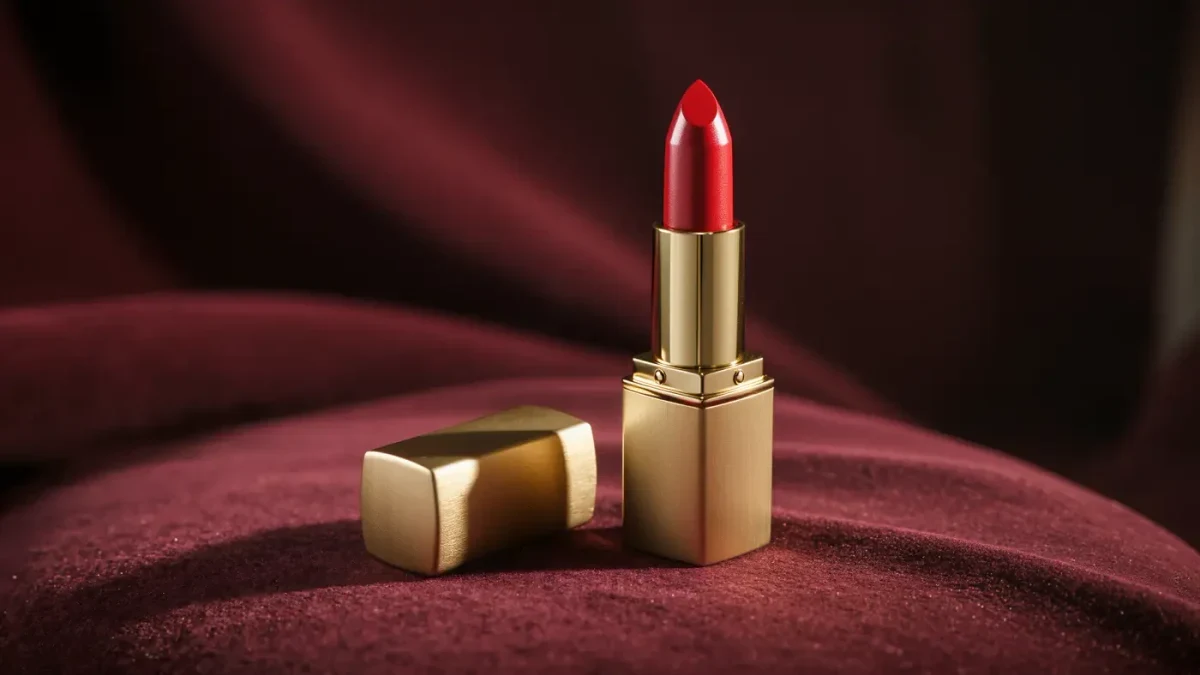
Leonard Lauder, chairman of Estée Lauder, coined the term during the 2001 recession after noticing lipstick sales climbing while larger purchases stalled — small affordable luxuries substituting for unaffordable ones. Press coverage through subsequent downturns, including 2008 and the pandemic year, repeatedly tested and reconfirmed the pattern in cosmetics, with business outlets such as Reuters revisiting it each cycle. Fashion's version is the accessory that upgrades a cheap outfit: a scarf, a belt, a lipstick-red shoe. In constrained periods, spending concentrates at the point of maximum visible change per unit of money.
Why Did Inflation Produce Quiet Luxury?
Because visible spending became socially expensive. Analysts connected the post-2022 quiet-luxury direction — logo-free knitwear, muted tailoring, Succession-coded restraint — to both the television moment and a broader mood: flaunting in a season of price-shock reads badly, so wealth signaled through fabric rather than logos. Trade reporting through 2023 and 2024 described brands across price tiers stripping logos, deepening neutral palettes and marketing durability instead of novelty. The same logic ran in reverse during the late-2010s boom, when logo mania and streetwear's loud scarcity flourished. The wardrobe keeps score of how comfortable people feel being seen spending.
Which Garment Categories Behave Like Economic Indicators?
- Cosmetics and small luxuries. The lipstick effect's home turf: affordable uplift that rises when big-ticket purchases stall.
- Men's underwear. The so-called underwear index holds that basics sell continuously in good times and get repaired through bad ones; business press has cited the pattern since Greenspan-era lore.
- Resale and repair. Consignment and thrift platforms typically report growth accelerations in downturns as wardrobes are mined rather than replaced.
- Heels and occasion wear. Post-crisis periods favor flat, functional footwear; recovery periods revive occasion dressing — a pattern retail analysts tracked after 2021's reopening.
How Did The 2008 Crisis Show Up On The Rack?
Within two seasons of the Lehman Brothers collapse in September 2008, retail reporting documented a trade-down that forecasters could read directly. Premium denim, the breakout category of the mid-2000s, cooled as shoppers balked at triple-digit jeans, while fast-fashion volumes grew as department-store traffic thinned — a shift covered extensively by business desks at BBC News and Reuters through 2009. Fashion press coined "austerity chic" for the resulting look: muted palettes, lower heels, visible thrift rather than visible spending. Costume-level signifiers moved too; the crisis year's films and television favored grayed, buttoned-up wardrobes over the gloss of the pre-crash boom. The lesson forecasters kept: a downturn rarely deletes a category, it re-prices its symbolism, and the re-pricing shows up on the rack within a year.
Why Do Accessories Absorb The Shock First?
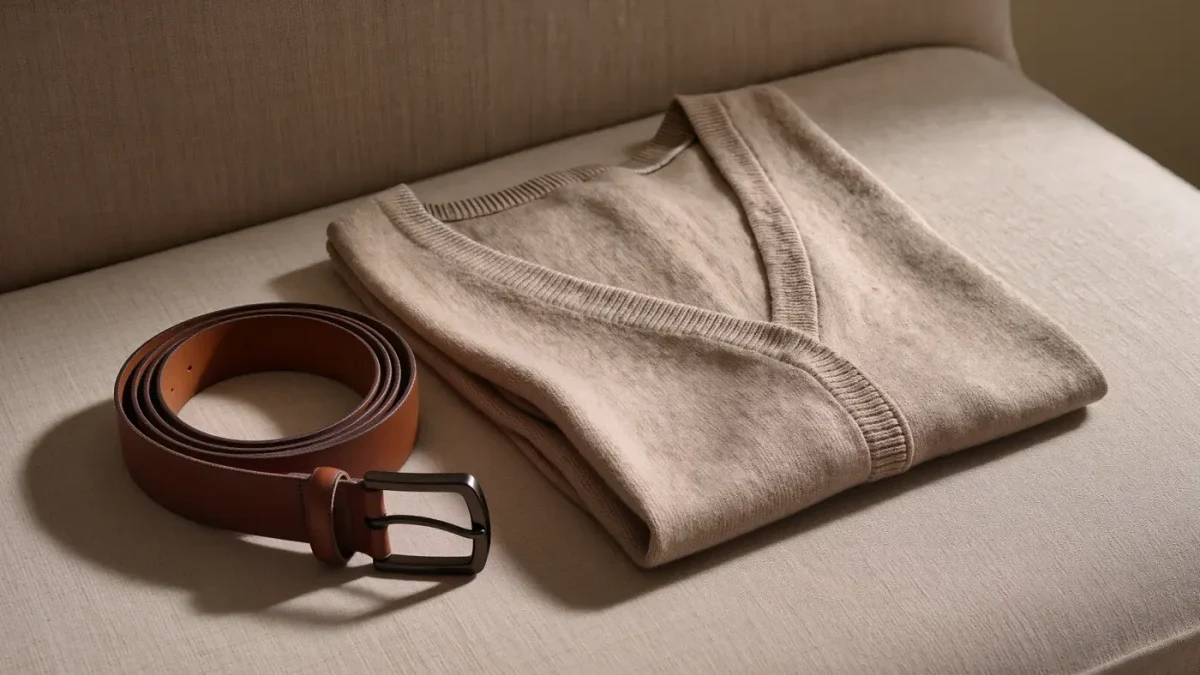
Because they carry the lowest cost of symbolic change. A shopper who will not replace a winter coat will replace a belt, a scarf or a lipstick, and analysts tracking the 2001 and 2008 downturns noted that handbag and small-leather-goods lines held up longer than apparel — a pattern trade coverage attributed to the "affordable upgrade" logic Leonard Lauder had named in cosmetics. The same mechanics ran after the 2020 disruption: as offices reopened through 2021 and 2022, bags and shoes led apparel's recovery because they answered the visible question of returning to public space. The accessory is the wardrobe's fastest-reacting indicator, which is why retail analysts read category mix — not total sales — as the sentiment signal.
How Do Forecasters Use These Signals Without Overreading Them?
By weighting them as sentiment, not statistics. No serious forecaster trades on hemlines; WGSN-style practice treats consumer-mood proxies — color conservatism, category trade-down, resale velocity — as one input beside income data and retail sales. The discipline is to distinguish necessity effects (people buy less) from symbolism effects (people buy differently at the same budget). The second is where fashion lives: 2022's inflation did not stop spending so much as redirect it toward pieces that look considered rather than newly bought.
What Is The Economic Read Of The Current Wardrobe?
As of early 2026, the signals point to a constrained but indulgent consumer: trade press describes value-seeking across tiers, strong resale and outlet channels, durability claims as marketing currency, and a quiet-luxury palette that refuses to fade. None of this predicts a recession by itself; it predicts a consumer who wants prudence to be visible. When logo mania returns without irony, that will say more about the economy than any dashboard — which is, in miniature, Taylor's 1926 argument dressed in current cloth.