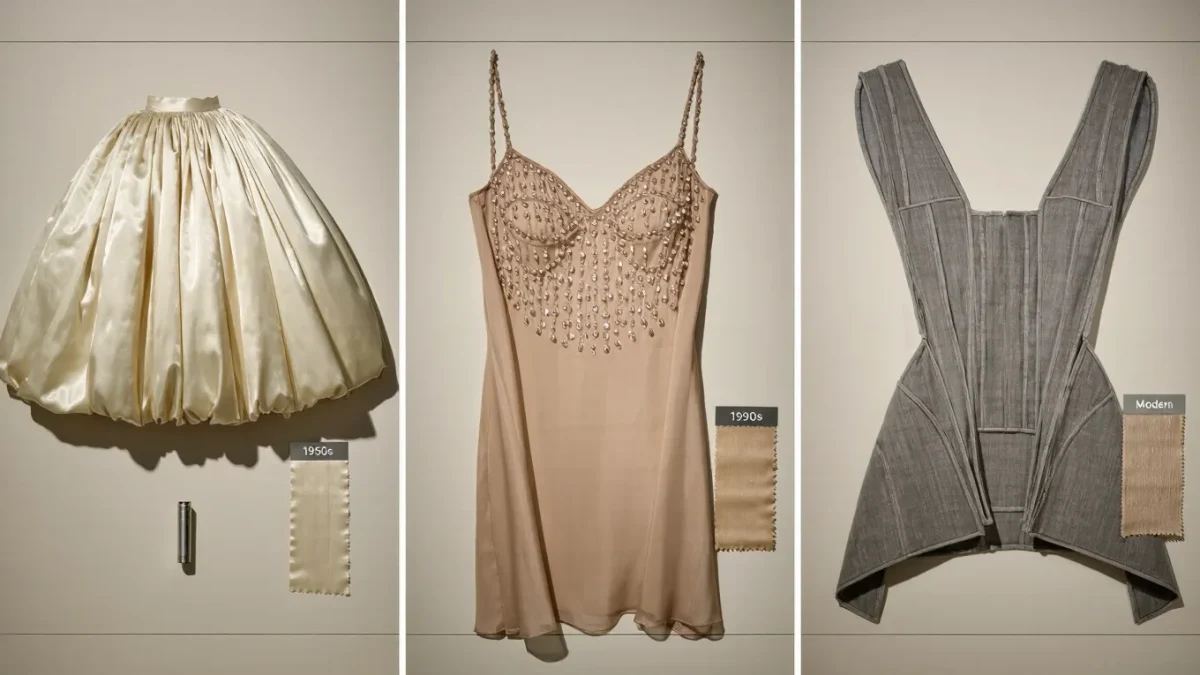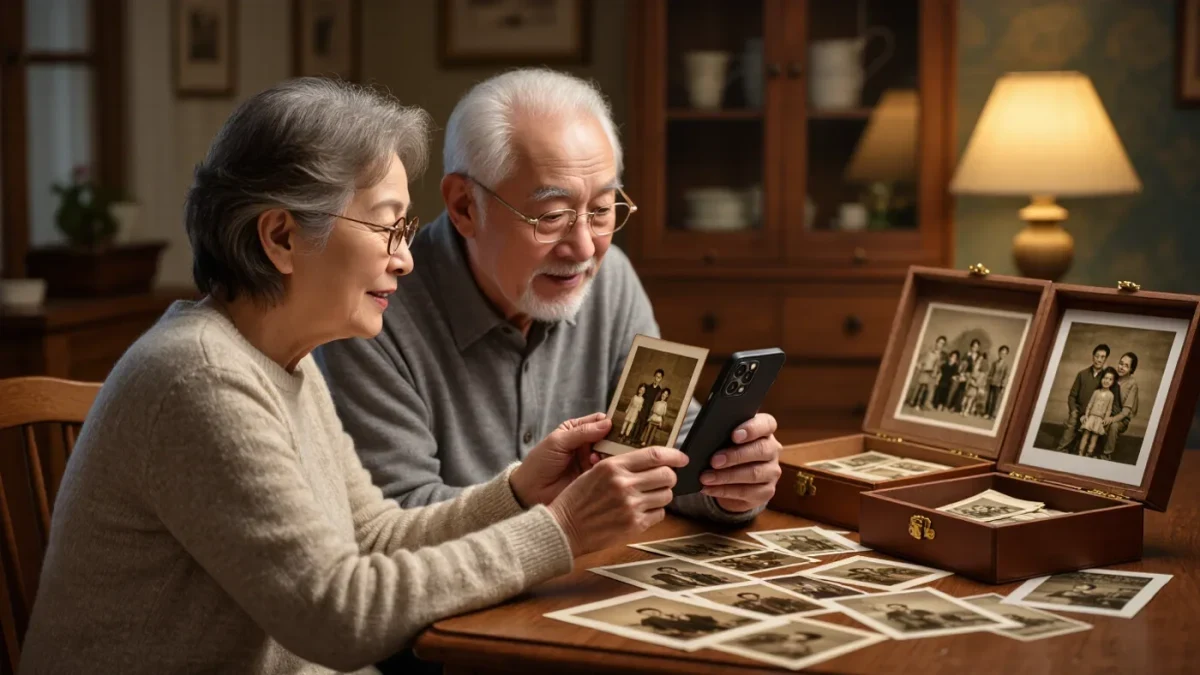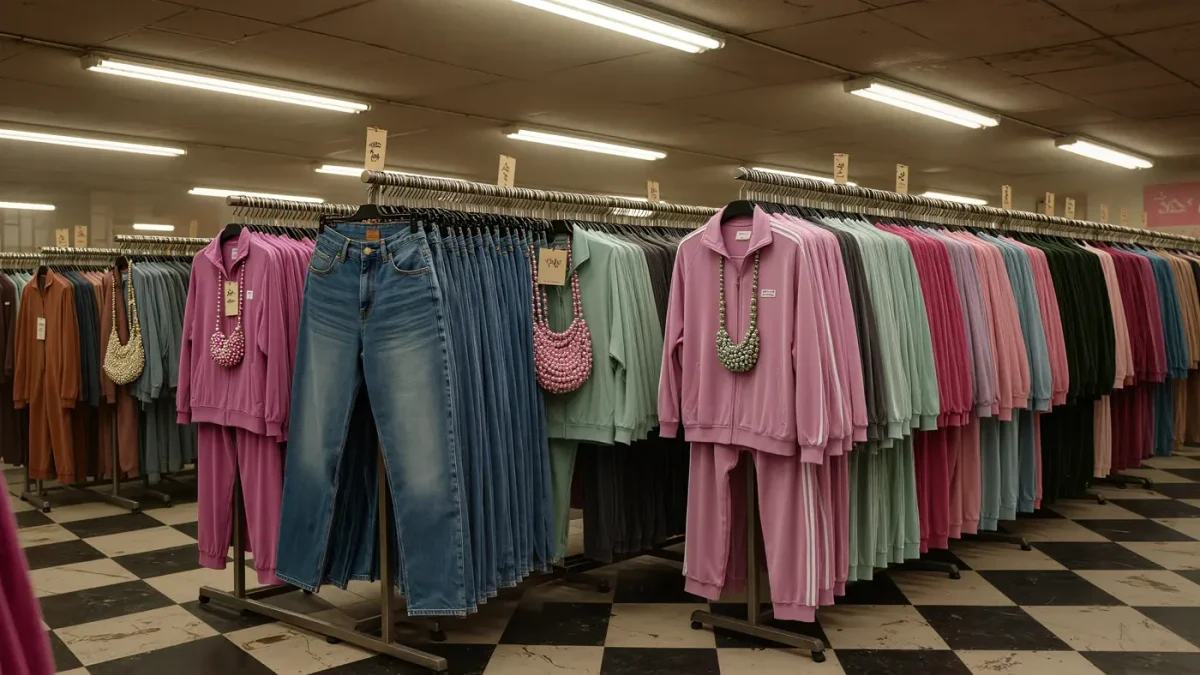
Nostalgia runs on a twenty-year loop because fashion's main revival engine is the childhood memory of the cohort now holding cultural power, and that cohort is always roughly twenty years behind the material it revives. The early 2020s proved it again: low-rise jeans, velour tracksuits and butterfly clips — the uniform of the millennium — returned between 2020 and 2023, twenty years after their first run, just as the 1990s grunge revival had arrived in the early 2010s and the 1970s boho wave landed in the mid-2000s. The loop is not superstition; it tracks a generational clock.
Why Twenty Years And Not Ten Or Thirty?
Because twenty years is the shortest time a revival needs to work on two levels at once. The consumers in their late twenties and early thirties buy the return as warm recognition — these were the clothes of their childhood — while older shoppers read the same pieces as camp or history, which gives the trend its ironic edge and its press coverage. A ten-year gap fails the second reading, because the parents of the trend are still wearing the original; a forty-year gap leaves no living cohort with first-hand memory, and the revival reads as costume. Forecasters at WGSN and analysts across the trade press have described the cycle in exactly these terms since the 2010s: revival demand peaks when the recalled era sits about two decades back.
Which Documented Cases Mark The Loop?
- The 1990s revival, early 2010s. Grunge flannel, slip dresses and Doc Martens returned roughly eighteen to twenty years after their first run, amplified by television — My So-Called Life nostalgia cycles and the 2013 flood of nineties-inspired editorials — and by the first vintage-wave coverage in consumer press.
- The 1970s revival, mid-2000s. Suede fringing, floppy hats and bohemian layering dominated the mid-2000s, two decades after the original boho years, a wave stylist Rachel Zoe's celebrity work in that decade is widely credited with pushing into the mainstream.
- The Y2K revival, 2020–2023. Low-rise silhouettes, baguette bags and velour returned two decades on, with Dua Lipa's 2020 album Future Nostalgia serving as the era's cultural signpost and trade press documenting the vintage-market surge in Y2K stock through 2021 and 2022.
- The 1980s revival, early 2020s. Power shoulders and oversized tailoring came back with the success of Stranger Things, launched in 2016, which kept eighties signifiers in circulation long enough for the two-decade clock to restart.
What Turns Memory Into A Commercial Trend?
A trigger event, a supply line and a name. The trigger is usually a television series, an album or an anniversary that re-exposes a mass audience to the era — Stranger Things for the eighties, And Just Like That in 2021 for the late-nineties wardrobe of Sex and the City. The supply line is the vintage and resale market: resale platforms reported accelerating demand for early-2000s pieces as early as 2021, which pulled the revival from mood board into stores. The name — "Y2K," "indie sleaze," "gorpcore" — matters more than it sounds, because a revival only travels once it can be tagged, searched and shopped.
Why Do Revivals Arrive Faster Now?
Because the nostalgia market no longer waits for a generation to age into buying power. Streaming platforms recycle eras on contact, resale sites make twenty-year-old garments available instantly, and social platforms collapse the lag between a nostalgic aesthetic appearing and being merchandised. Forecasters have noted revivals arriving compressed and overlapping — eighties shoulders, nineties slip dresses and Y2K low-rise all circulated simultaneously through 2022 and 2023 — rather than in the clean single-file waves of the twentieth century. The twenty-year loop still sets the tempo, but the loop now runs in parallel rather than in sequence.
Does A Revival Copy The Era, Or Re-Edit It?
Always re-edit, and the edit tells you about the present more than the past. The early-2020s Y2K revival kept the low-rise and the baguette bag but dropped much of the era's tabloid culture, reframing pieces once mocked as guilty pleasures as archive-worthy design. The 2010s nineties revival kept grunge's flannel but laundered it through minimalism, stripping the original's anti-fashion intent. Forecasters describe revivals as arguments: each generation selects from the recovered wardrobe what the current mood can use, and what a revival refuses to bring back is often the more revealing signal.
Who Decides Which Era Gets Revived?
Nominally the audience, practically a relay. Designers and stylists float recovered silhouettes first; resale platforms convert curiosity into measurable demand; a trigger event — a series, an album, an anniversary — then pushes the mood to mass scale, as documented through 2021 and 2022 when Y2K stock moved from vintage crates to mainstream retail floors. By the time a revival has a name in consumer press, the decision is already made; the naming is the last step, not the first. That is why agencies watch the front of the relay: the archive pulls and the resale pricing, where a coming revival announces itself before anyone agrees to be nostalgic.
What Does The Loop Predict Next?
By the arithmetic, the mid-2020s belong to the mid-2000s: the skinny-jean era, the it-bag era, the tabloid-celebrity era whose signifiers were already re-entering editorials by 2024 and 2025. Forecasters treat that not as a prophecy but as a scheduling tool — knowing which era's memory is maturing tells brands which revival to expect, which silhouettes to hold in archive, and when a nostalgic mood will be ready to buy. The wardrobe keeps rewinding on schedule; the industry's edge lies in knowing the timestamp.