
Lifestyle
How To Dress For A Transitional Season
Three removable layers around one fixed mid-layer: the system that survives a ten-degree swing between the morning commute and the afternoon sun.
Lifestyle applies the same forecasting method outside the wardrobe: interiors, food, drink, travel, fitness and leisure. Coverage watches where discretionary spending moves first, because it usually moves there before clothing follows. Suited to readers working in product, hospitality or brand strategy.
Three removable layers around one fixed mid-layer: the system that survives a ten-degree swing between the morning commute and the afternoon sun.

Runway repetition, cost per wear against the permanent alternative, and a ring-fenced budget: the buyer's arithmetic for deciding which trends earn spending.

Walk in with the season's palette, silhouette and gap list on paper: the buyer's method that turns a second-hand rack into dated inventory.
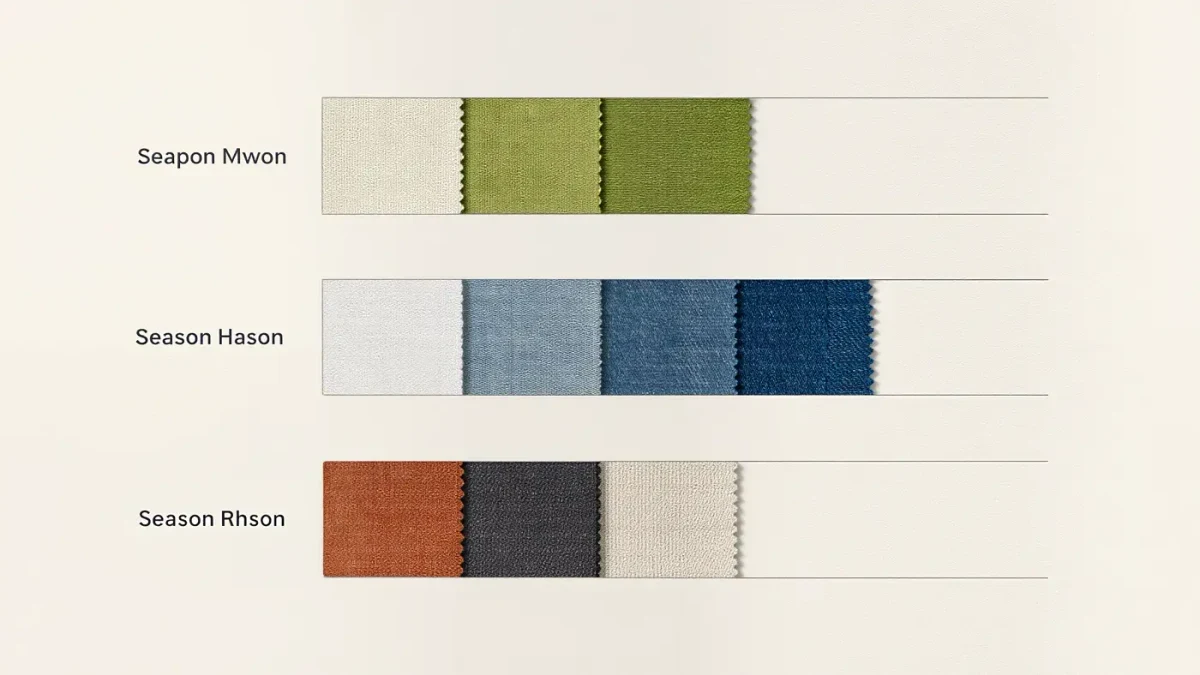
Contrast moves with the light: spring pairs fresh mids with lights, winter pairs dark with light — a four-season pairing method for clothes you own.

Three independent signals, a resale timer and a fourteen-day wait: the checks that separate a microtrend worth owning from targeted advertising.
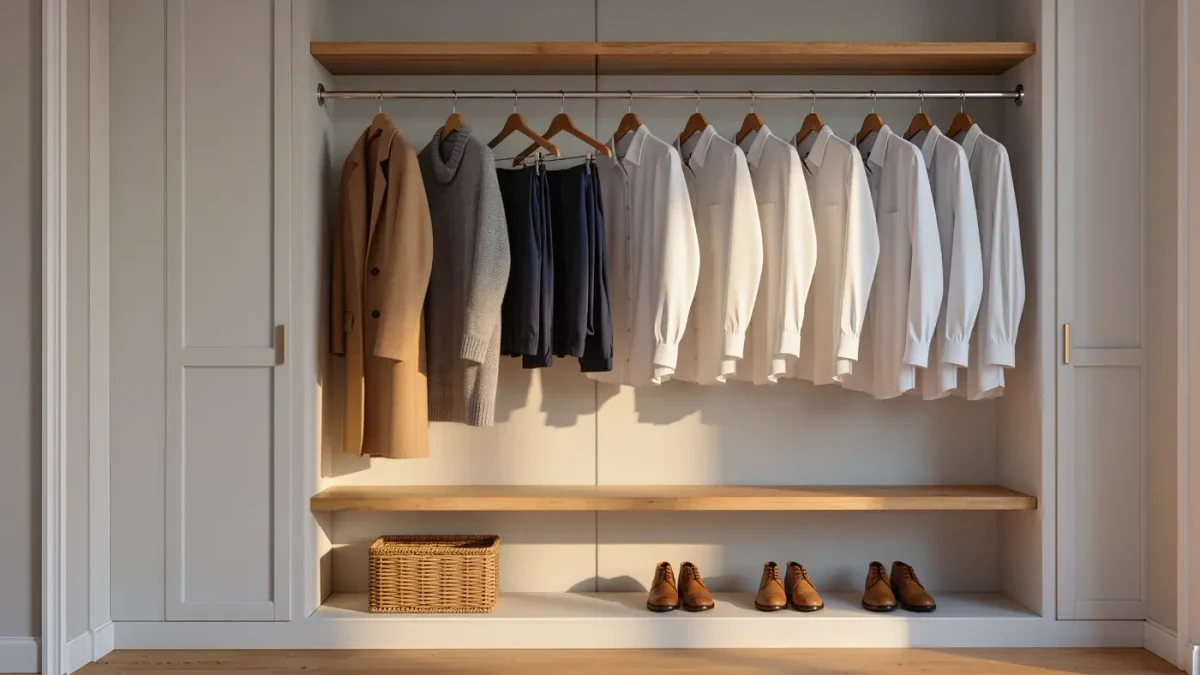
Fixed palette, strict fit standard, one load-bearing coat: the capsule rules that survive a year of wear — and the famous ones worth ignoring.