Topic
How to Read a Fashion Collection Review Like an Editor
Critic language is a code. Once you know what 'cohesive' and 'commercial' actually signal, a review tells you more than its star rating ever will.
Critic language is a code. Once you know what 'cohesive' and 'commercial' actually signal, a review tells you more than its star rating ever will.
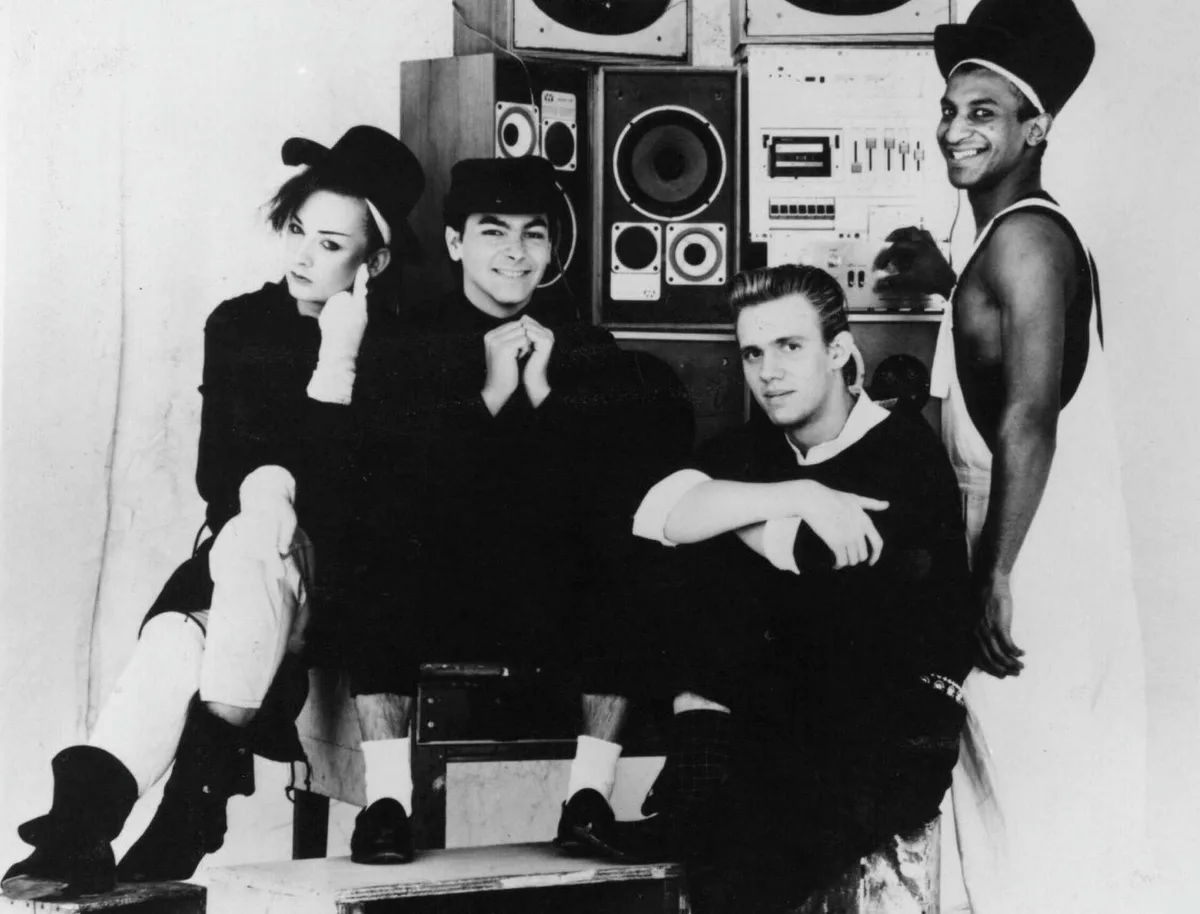
Forty years on, the band's mix of braids, broad hats and borrowed glamour remains a template for how pop uses clothing to argue with convention.
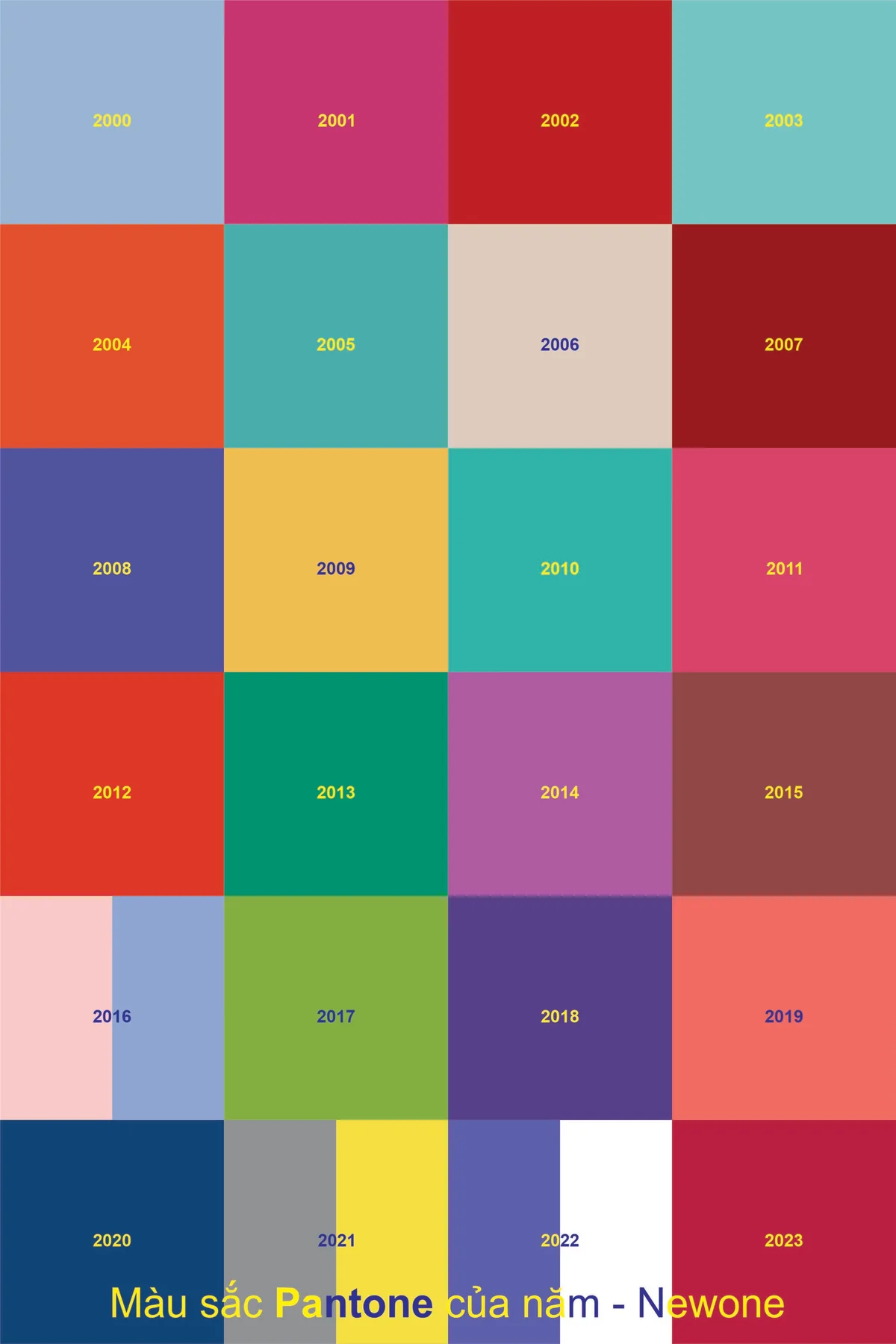
Every year, one color steps into the spotlight. It shows up on runways, in makeup aisles, and across design blogs before most people can even name it.

Trend forecasting turns scattered signals into informed guesses. The main models in plain language, from pattern spotting to long-range planning and AI.

Signals, weak data, and the slow work of turning noise into a named direction.

Timing, exclusives and reader appetite decide the front of the book — and the decision is more mechanical than it looks from outside.

Runway counts, street photography and fabric reports feed a research pipeline that runs years ahead of the racks.

The two-hour influencer version collapses in week one. A realistic one starts with what your actual Tuesday looks like.

From punk's safety pins to K-pop's color-coordinated fandoms, sound moves first and style follows. The pattern is old, and it still works.

Tailoring, accessories and color do most of the work. None of them requires a shopping trip.