
Topic
How Fandoms Become Cultures of Their Own
Language, rituals, money: fan communities now do the work that subcultures once did, and they do it faster.
Language, rituals, money: fan communities now do the work that subcultures once did, and they do it faster.
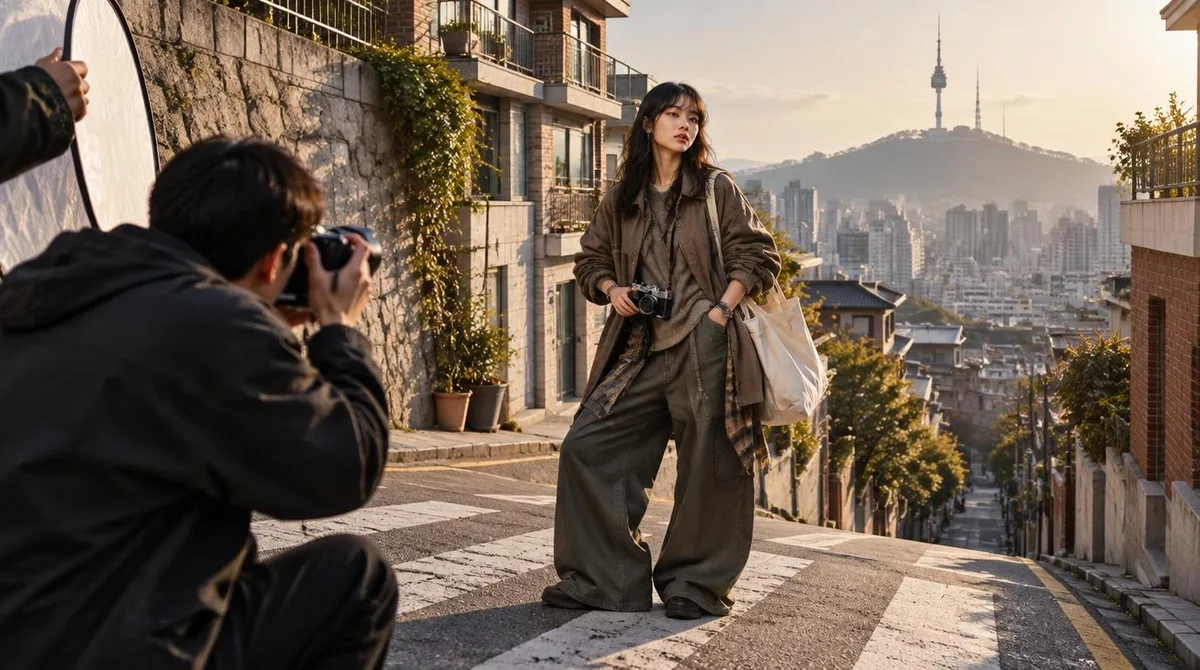
The path from a single street's style to worldwide retail follows a repeatable sequence — and knowing it helps readers tell a real signal from noise.

Jargon, mood boards, and consumer segments decoded — what professional trend reports actually say, and how to read one without getting lost.
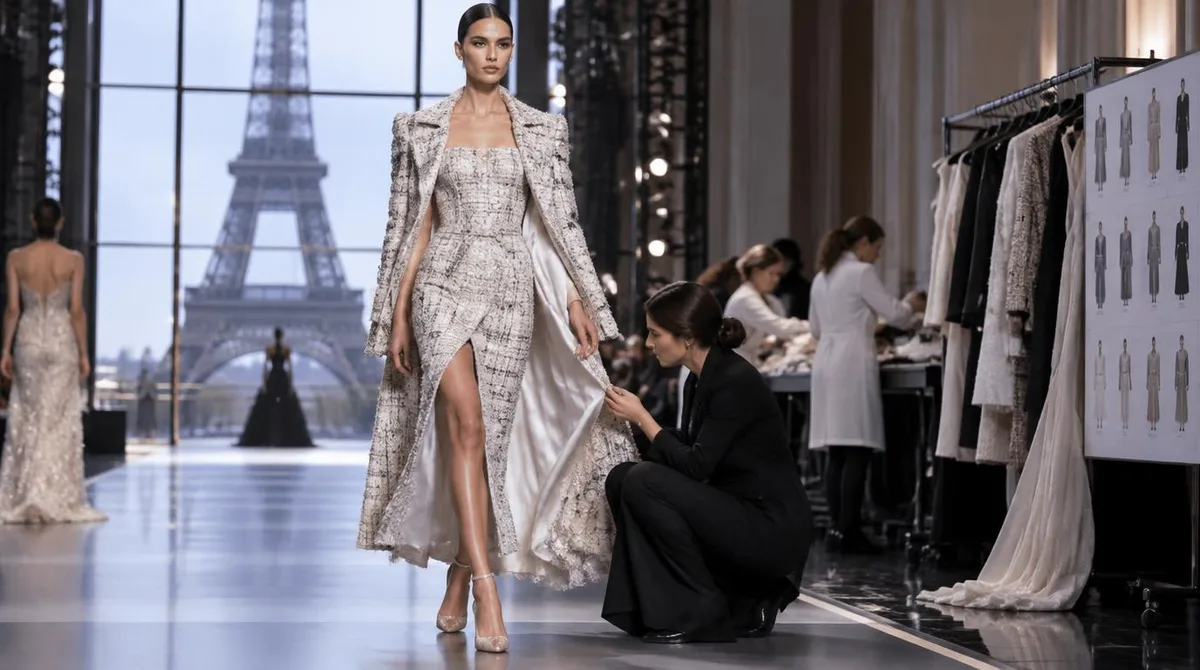
The four-city circuit looks like spectacle. It is really a commercial calendar, and each stop does a different job.

Speed sells the story, but verification decides whether it survives the hour.

Search data, subcultures, and retail signals each tell part of the story. Here is how to read all three, and how to know when a trend is already over.
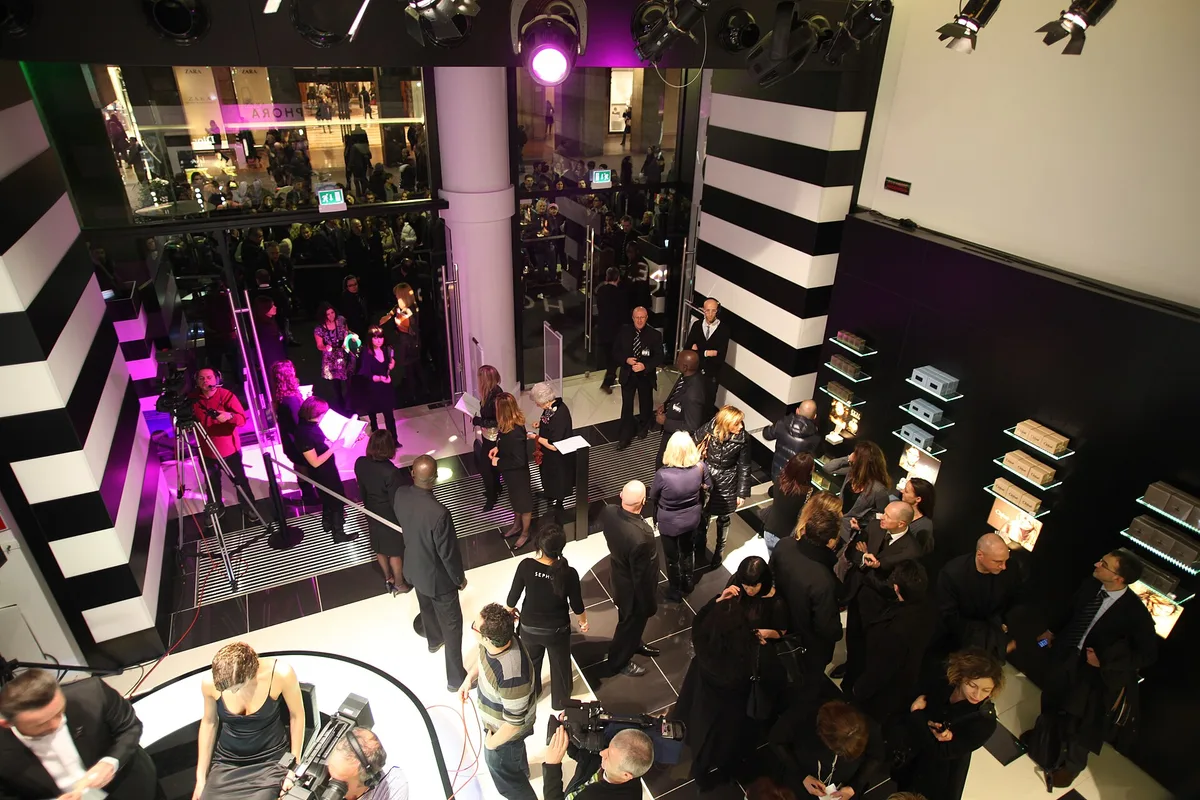
Long before a runway show makes headlines, the cloth behind it has already been chosen at an industry fair most outsiders never hear about.
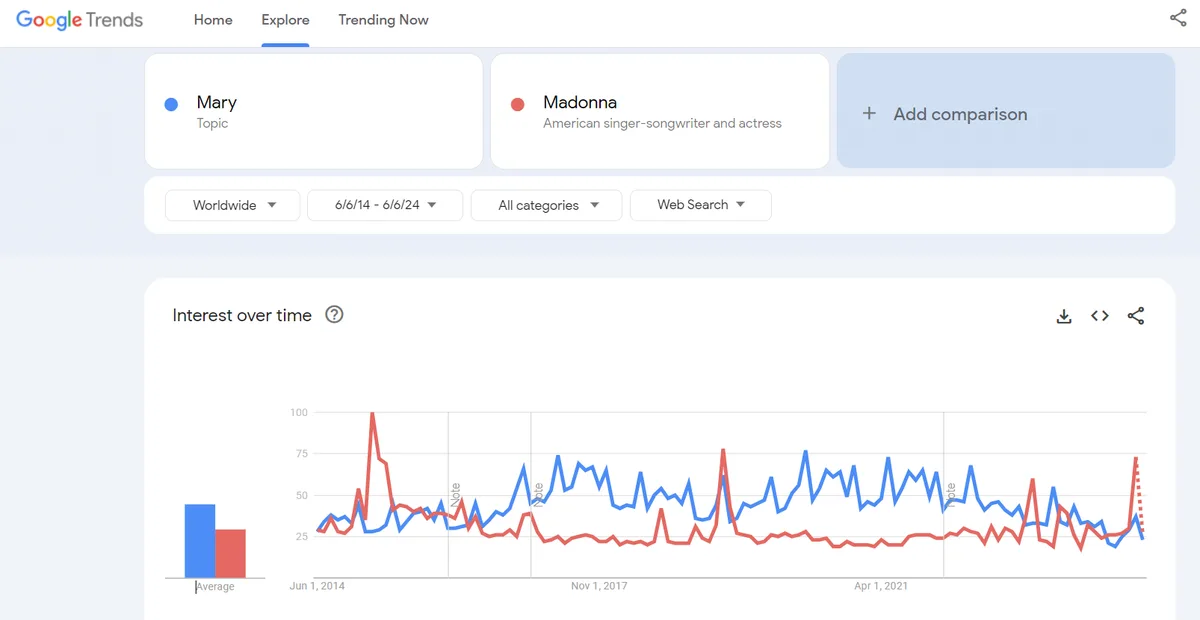
The label looks like a verdict on culture. It is really a score on engagement signals — and the system behind it is not even an algorithm, strictly speaking.
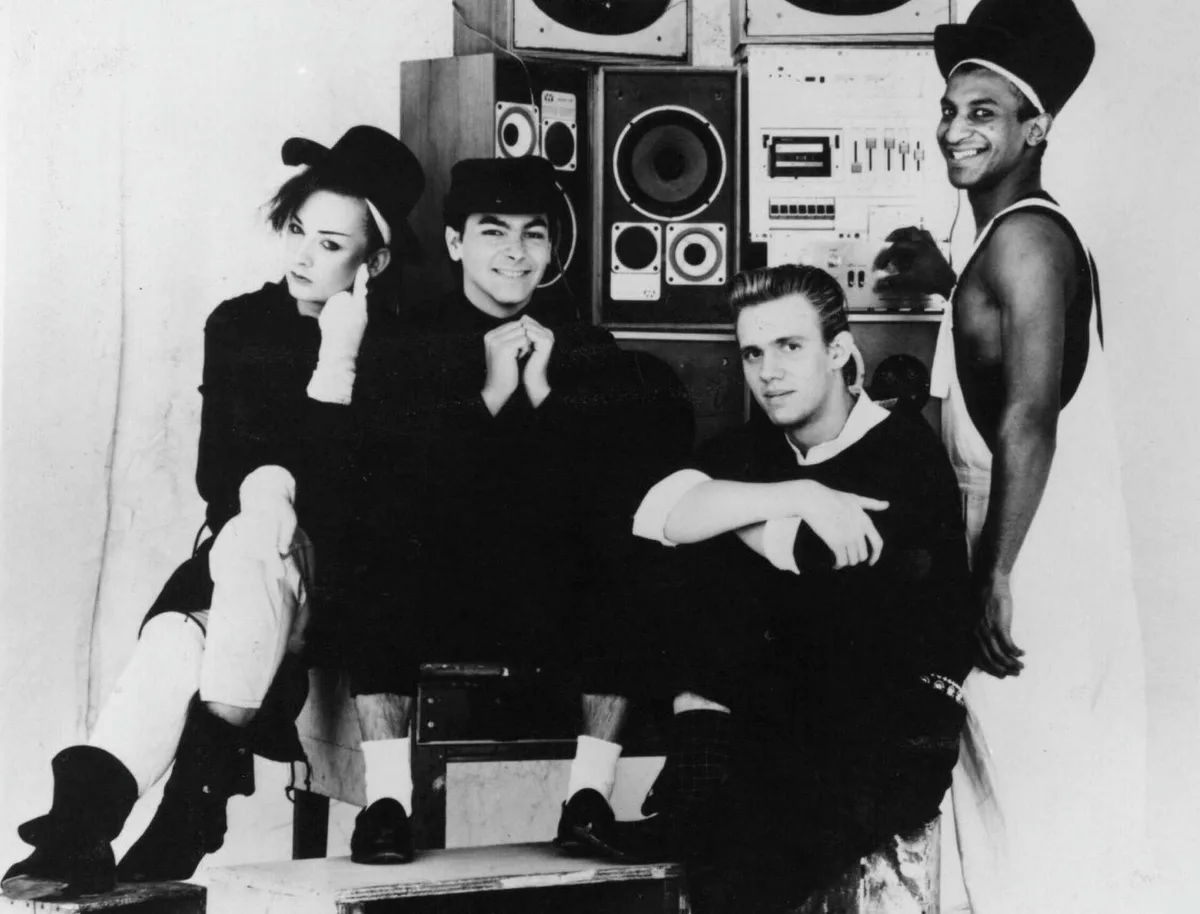
Forty years on, the band's mix of braids, broad hats and borrowed glamour remains a template for how pop uses clothing to argue with convention.

Trend forecasting turns scattered signals into informed guesses. The main models in plain language, from pattern spotting to long-range planning and AI.